12.01.2026 14:03
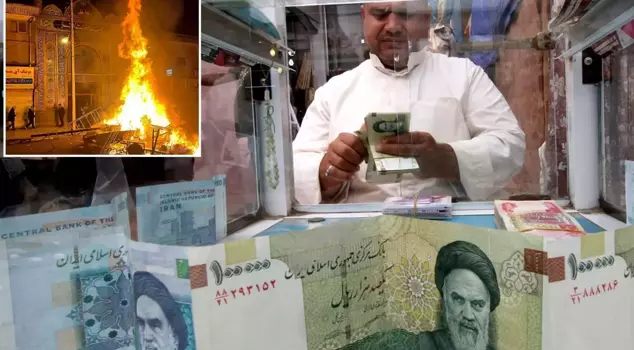
The economic sanctions that have been ongoing for years in Iran, high inflation, restrictions on oil exports, and protests that have been continuing since December 2025 have led to devaluation, and the current situation in the country indicates that tensions will not decrease for a long time. This is because Iran's currency, the rial, has fallen to 0.00 against the euro today.
The economic sanctions that have lasted for years in Iran, the high inflation, and the currency crisis following restrictions on oil exports have become the most concrete indication that tensions in the country will not decrease for a long time. Iran's national currency, the rial, experienced a historic collapse today with a devaluation close to "0.00" against the Euro; this situation has further deepened the public's economic concerns.
ECONOMIC COLLAPSE IGNITES THE STREETS
The dramatic devaluation of the rial against foreign currencies has been the main factor triggering economic protests that have emerged in the country since the end of last year. The currency's drop to record low levels against the dollar and euro, coupled with rising living costs and inflation making daily life more difficult, has led to protests that have been ongoing for 15 days since December 28, 2025.
DEMANDS IN PROTESTS HAVE DEEPENED
Initially starting with the economic demands of shopkeepers in the Tehran Grand Bazaar, the protests quickly spread across the country and turned into clashes with security forces in many cities. Protesters are no longer limited to economic demands but are also voicing political reform and anti-regime slogans. Dozens of people have lost their lives in the protests, and thousands have been detained.
GOVERNMENT'S RESPONSE AND INTERNATIONAL REACTIONS
The government has restricted internet access to suppress the protests and has increased security forces' interventions. Although some economic reform and incentive measures have been announced, public anger has not subsided; the collapse of the rial's purchasing power continues to make daily life even more difficult. The international community is expressing concerns about economic pressure and human rights violations.
TENSIONS ARE NOT EXPECTED TO DECREASE
The economic indicators and the prevalence of street movements indicate that the current political and economic crisis in Iran will not be resolved in the short term. The dramatic devaluation of the rial and the spread of protests among broad segments of the population are increasing the pressure on the government day by day.