19.06.2026 06:30
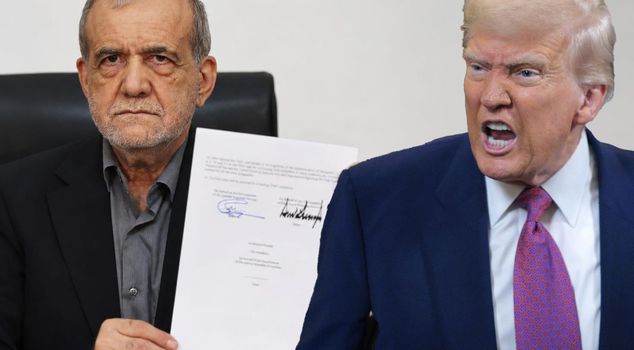
After the agreement signed between the US and Iran, Iranian Parliament Speaker Mohammad Bagher Ghalibaf issued a stern warning to the Washington administration. Stating that Iran would give an "overwhelming response" if the agreement is violated or if the US fails to fulfill its obligations, Ghalibaf said, "They were slapped once in war; if they choose the same path, they will receive a harder slap this time."
Following the agreement signed between the US and Iran, striking statements continue to come from the Tehran administration. Iranian Parliament Speaker Mohammad Bagher Ghalibaf issued a stern warning to the Washington administration regarding compliance with the terms of the agreement. Ghalibaf stated that if the agreement is violated, Iran will deliver a "crushing response."
FIRST TOUGH MESSAGE FROM TEHRAN AFTER THE AGREEMENT
While the signing of the agreement reached after months of negotiations between the US and Iran is seen as the beginning of a new era in the region, the statements coming from Tehran drew attention.
In a post on his social media account, Iranian Parliament Speaker Mohammad Bagher Ghalibaf stated that the main duty of Iran's institutions is to ensure the full implementation of all articles of the agreement. Ghalibaf emphasized that Iran will not remain silent if the other party fails to fulfill its obligations.
"WE WILL NOT HESITATE TO GIVE A CRUSHING RESPONSE"
In his statement, Ghalibaf said, "If the other party fails to keep its word, violates the agreement, and makes excessive demands, we will not hesitate to give a crushing response to the enemy."
Referring to recent conflicts, the Iranian politician used harsh language, stating, "They received a slap once in the war; if they choose the same path, they will receive a harder slap this time."
Ghalibaf's statements were considered one of the strongest signals indicating that distrust between the parties persists during the implementation process of the agreement.
THE AGREEMENT INITIATED A CRITICAL 60-DAY PERIOD
According to information in the international press, the agreement signed between the US and Iran grants the parties a new 60-day negotiation period for a comprehensive final agreement. The agreement includes topics such as Iran's nuclear activities, inspections by the International Atomic Energy Agency, maritime traffic in the Strait of Hormuz, and the future of sanctions. While European countries have welcomed the agreement, the Israeli administration continues to express reservations about some articles.
CONSERVATIVE FACTION IN IRAN ANGRY
The agreement has caused controversy not only internationally but also within Iran. Some conservative groups in Iran argue that the agreement weakens Tehran's strategic leverage, while pro-government circles describe it as a diplomatic success protecting Iran's interests. It has been reported that anti-agreement protests have been held in various cities in recent days.
CONDITIONAL SUPPORT FROM KHAMENEI
In his first assessment of the agreement, Iran's Supreme Leader Ayatollah Mojtaba Khamenei expressed support for the process but stated that they would not accept any compromise on Iran's fundamental interests. This statement revealed that the Iranian administration, while supporting the agreement, maintains a cautious approach toward Washington.
REGIONAL EYES ON IMPLEMENTATION PROCESS
Experts note that although the agreement has been signed, the real test will begin in the coming weeks. Whether the parties will fulfill their obligations, how sanctions will be implemented, and the course of negotiations on the nuclear program will directly affect regional balances. The latest statements from the Iranian administration clearly convey the message that Tehran is ready to respond harshly in the event of a possible violation.