20.07.2026 17:10
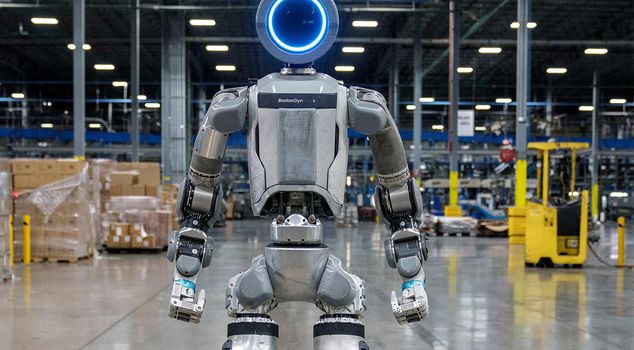
The "human-robot competition" we've watched in sci-fi movies for years has turned into a concrete reality in Hyundai factories. The company's decision to integrate 25,000 humanoid robots into its production processes triggered a massive wave of strikes. With collective bargaining negotiations deadlocked, tens of thousands of workers took to the streets, halting production lines. Concerns are growing over further production losses during the 3-day strike.
At South Korean automotive giant Hyundai Motor, plans to expand the use of humanoid robots in factories have simultaneously turned wage negotiations into a crisis. After months of collective bargaining talks between company management and the union failed to yield results, workers have decided to expand strike actions. Concerns are growing over further production losses.
THREE-DAY WORK STOPPAGE
The union representing Hyundai employees, affiliated with the Korean Metal Workers' Union (KMWU), held a partial work stoppage for three days from July 13 to 15 last week, after failing to reach an agreement in wage negotiations that continued throughout the first half of the year.
Due to workers halting production for two hours each during morning and evening shifts, it is estimated that approximately 5,000 vehicles could not be produced, resulting in a production loss of around 200 billion South Korean won.
STRIKE ENTERS SECOND PHASE
As the dispute between the parties continued, the union launched a new wave of strikes from July 20 to 22. This time, the work stoppage duration was increased to four hours per shift. It is noted that if the strike extends, more serious disruptions in production lines may occur.
ROBOT PLAN AND WAGE OFFER DEEPEN DISPUTE
At the core of the crisis are not only wage negotiations but also Hyundai's plan to gradually deploy over 25,000 humanoid robots in factories. The union argues that automation investments could jeopardize employees' job security.
In negotiations, Hyundai management offered production workers a monthly base salary increase of 89,000 won (approximately $67), performance bonuses of up to 350% of the monthly salary, an additional bonus of 10 million won, and 15 company shares per employee.
UNION DOES NOT WITHDRAW DEMANDS
The union rejected this offer as insufficient. Workers are demanding a monthly base salary increase of 149,600 won (approximately $100), bonuses of 800% of the salary, employment security guarantees against the use of humanoid robots in production lines, and raising the retirement age from 60 to 65.
While no agreement has been reached yet between the parties, it is assessed that if talks remain inconclusive, Hyundai could face larger losses in production activities.
ROBOT PLAN
Hyundai's Boston Dynamics-developed next-generation humanoid robot Atlas is planned to be integrated into production processes at Hyundai and Kia factories with over 25,000 units.
Approximately 40,000 workers affiliated with the Korean Metal Workers' Union (KMWU) are concerned that this automation move will lead to mass job losses and a gradual reduction in working hours.