28.01.2026 12:02
The new penal code prepared by the Taliban in Afghanistan incorporates the concept of slavery into legal text while dividing society into classes and prescribing varying penalties based on class; the ban on girls' education and corporal punishment deepens human rights violations.
The Taliban administration in Afghanistan has announced regulations that deeply shake the social structure with a new draft penal code, adding a new oppressive practice to its long-standing ones. The draft is seen by critics as a step that legitimizes a discriminatory penal system.
THEY ARE DIVIDING SOCIETY INTO CLASSES
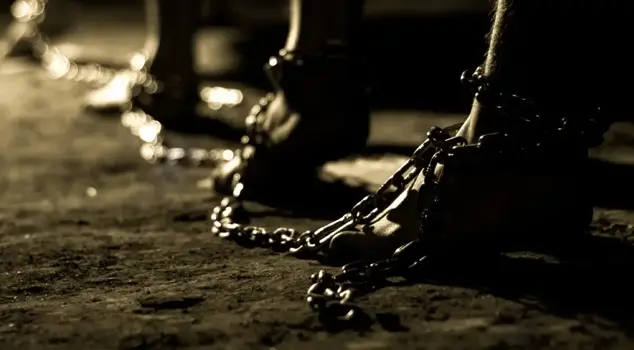
The new draft law divides society into classes, and the penalties for crimes vary according to this class. The repeated use of the terms "master" and "slave" in the regulation has been deemed contrary to international legal norms. In some articles, the punishment is left to the master's discretion, which has been harshly criticized by human rights advocates.
The draft also highlights theologically based privileges:
- A crime committed by a "religious scholar" will only result in a warning.
- For the elite, light sanctions such as summons to court and warnings are foreseen.
- While prison sentences are given to middle-class offenders, physical punishments have also been added for the lowest class.
This class-based punishment system has drawn criticism from human rights organizations on the grounds that it contradicts international equality and fair trial principles.
THE EDUCATION RIGHTS OF GIRLS ARE COMPLETELY BLOCKED
This penal code draft also emphasizes the practices that completely block the education rights of girls, in parallel with the Taliban's current education policies. The Taliban has long prohibited girls from attending education beyond middle school; the country stands out as the only one where girls' right to education is systematically obstructed. This ban currently prevents approximately 2.2 million girls from receiving an education and jeopardizes the country's social future. International organizations are increasing pressure on the Taliban for the recognition of girls' right to education and the provision of equal penal practices, but no concrete step has been taken yet.
SOCIAL RESTRICTIONS CONTINUE TO INCREASE
The Taliban's policies of oppression against women and girls continue in a broader context. In the country, women's visibility in public life has been severely restricted, and they have been deprived of fundamental rights such as work, free movement, and education. Afghanistan continues to draw attention as a country where the right to education for girls after the age of 12 is blocked and women are excluded from social life.