10.07.2026 17:00
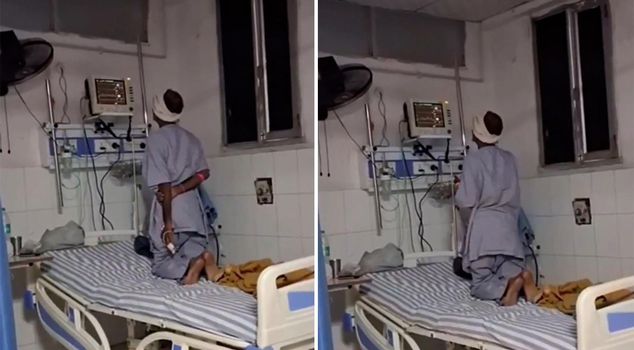
During a routine visit at the Mental and Neurological Health Hospital, the specialist physician found his patient lying motionless on the bed with their face turned to the wall; the doctor, saying "I froze in that moment," made fear-filled statements that dominated the health agenda.
An experienced psychiatrist working at a Mental and Neurological Health Hospital encountered mysterious and terrifying moments in a room during routine patient check-ups, causing widespread repercussions. The specialist doctor, who has been working in the mental health field for many years, stated that he faced a situation he had never witnessed in his professional career, reopening discussions on security and psychological pressure in clinical environments.
THE SHOCKING MOMENT IN THE ROOM: A DARK SILHOUETTE FACING THE WALL ON THE BED
Routine visit processes in healthcare institutions can lead to unexpected situations at any moment in psychiatric clinics. In the relevant case, the doctor entered the patient's room for a check-up and, upon opening the door, saw the patient standing motionless on the bed with their face completely turned toward the wall. Stunned by this unusual and ominous posture, the specialist doctor expressed his traumatic experience with these words: "When I entered the room, I was frozen by the scene I saw; I've been in this profession for years, but I encountered such a situation for the first time; I was bewildered."
TREATMENT-RESISTANT SCHIZOPHRENIA CASE
The patient receiving inpatient treatment at the hospital was reported to be an individual already undergoing regular follow-ups in the clinic and diagnosed with schizophrenia. Schizophrenia is a chronic, severe brain disease that directly affects a person's ability to evaluate reality, thought patterns, emotions, and behaviors. Conditions such as catatonia or advanced delusions can lead patients to remain motionless on the bed for long periods, fixed and facing the wall. According to the doctor's account, despite all pharmacological and psychosocial interventions by medical teams, improvement in the patient's clinical condition could not be achieved. It was emphasized that schizophrenia symptoms unresponsive to intensive treatments have rapidly worsened in the recent period.
RISK MANAGEMENT IN PSYCHIATRIC CLINICS
This shocking development once again brought to light the unseen risks faced by healthcare personnel working in mental health centers. In mental health and illness hospitals, monitoring patients in acute phases, especially those with severely impaired reality evaluation abilities, requires critical planning.
Clinical risk analysis: The potential of schizophrenia patients experiencing advanced delusions, hallucinations, and paranoid thoughts to harm themselves or others should be measured through routine checks.
Healthcare worker safety: Psychiatrists, nurses, and caregivers must remain constantly vigilant against such treatment-resistant and aggressive clinical presentations.
Need for institutional support: The fear experienced by the doctor clearly demonstrates the need for regular psychological support and increased institutional security protocols for healthcare professionals working with such severe cases.
The chronic course of the disease and disruptions in treatment processes critically reduce the patient's quality of life and place serious professional and psychological pressure on treatment teams.