10.07.2026 23:20
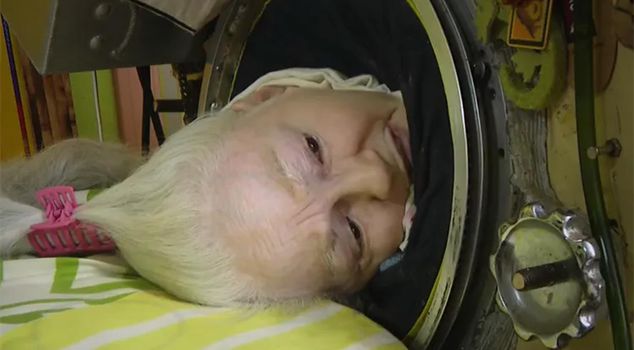
Martha Ann Lillard, who spent 73 years of her life inside a massive metal cylinder called an "iron lung" after contracting polio at just 5 years old, passed away at age 78. Lillard, who remained dependent on this mechanical technology from the 1940s because modern ventilators could not support her lungs, died when the historic device that kept her alive malfunctioned and there were no experts left in the world who could repair it.
In the USA, Martha Ann Lillard, the last patient who spent most of her life in a giant respirator called an "iron lung" due to polio, died at the age of 78. It was reported that Lillard passed away after a prolonged COVID-19 illness and the malfunction of her mechanical device from the 1940s, for which no repair technician could be found.
CAUGHT ONLY TWO YEARS BEFORE THE VACCINE
Martha Ann Lillard contracted this deadly virus in 1953 at just 5 years old, only two years before the vaccine that would relegate polio to history was developed in the USA. Lillard, who lost consciousness and became paralyzed in her arms and legs due to the disease, was placed in an iron lung, the most common treatment method of the time, which vacuumed the entire body to allow the lungs to take in air.
MODERN DEVICES WERE NOT A SOLUTION
Despite eventually regaining the ability to walk through perseverance, Lillard’s lung capacity remained at 25%, and her right arm stayed paralyzed. While other polio patients transitioned to modern respirators developed over the years, Lillard continued using this historic device, stating that no modern technology she tried provided her with respiratory support as effectively as the iron lung.
LONG COVID AND DEVICE MALFUNCTION LED TO HER END
In her final years, struggling with post-polio syndrome, Lillard contracted COVID-19 twice in succession. Her condition worsened due to long COVID, forcing her to spend 24 hours a day inside the device, which then malfunctioned. With parts nearly impossible to find and no experts left to repair the machine, Lillard died on June 26. Her passing marked the official end of an era in medical history.