01.02.2026 11:41
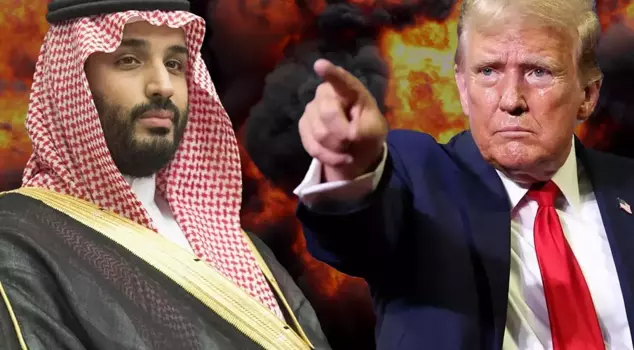
As tensions between Iran and the US escalate, a significant development has occurred in the region. Saudi Arabia has clearly announced that it will not allow the use of its airspace for any military operations against Iran, while foreign media has interpreted this decision as a critical diplomatic message that narrows the US's military options in the region.
The tension in the Middle East has escalated between the US and Iran, while the recent diplomatic move from Saudi Arabia has the potential to shake regional balances. According to the London-based Asharq Al-Awsat news agency, Saudi Arabia announced that it would not allow its airspace and territory to be used for any military operations against Iran. This message revealed that Riyadh has placed a very clear limitation on Washington.
HE HAD A PHONE CONVERSATION WITH PEZESHKIAN
Saudi Crown Prince Mohammed bin Salman bin Abdulaziz emphasized during his phone conversation with Iranian President Masoud Pezeshkian that the kingdom would not allow any party to use its airspace or land for the purpose of attacking Iran. The prince expressed their commitment to the principle of sovereignty and their preference for dialogue to ensure regional security and stability.
MESSAGE AMID ESCALATING TENSION
This statement came amid rising tensions over a possible attack plan or air operation by the US against Iran. According to the Wall Street Journal, both Saudi Arabia and Gulf allies like the United Arab Emirates sent a direct message to Washington, stating that they would not open their airspace for such an operation.
WILL LIMIT US OPTIONS
According to analyses in the foreign press, Riyadh's stance limits the US's regional military options in diplomatic and logistical terms. The Wall Street Journal assessed this situation as "the narrowing of options for the Trump administration," while noting that the Saudi and UAE stance complicates Washington's military planning.
On the other hand, it is also reflected that there are differences of opinion within Saudi defense circles. Some officials expressed during their meetings in Washington that not responding harshly to Iran would lead to more dangerous consequences for the region. This situation indicates a search for a strategic balance between Riyadh's official rhetoric and some internal assessments. This step signals that the tensions in the Middle East have transformed into not only a military but also a diplomatic and geopolitical strategic war. While Riyadh's stance is interpreted as an effort to prevent direct conflict with Iran, it raises questions about the intentions of regional actors to possibly give weight to military intervention options.