19.10.2026 20:20
A Saudi engineer accused of planting a hidden audio recording device in OpenAI's meeting room was alleged to have received support from the Saudi government. According to US prosecutors, an official from the Saudi military paid for the suspect's wife and son's tickets to leave the country.
According to BBC News, a Saudi Arabian citizen engineer accused of secretly placing an audio recording device in one of AI company OpenAI's meeting rooms was alleged to have received "serious support" from the Saudi government. The claim was included in a document submitted to a court in the US state of California.
US prosecutors alleged that 35-year-old Abdulrahman Alfozan, who works at OpenAI, was "in frequent contact" with a member of the Saudi royal family. According to prosecutors, after Alfozan was detained, an official from the Saudi military paid for one-way plane tickets for his wife and son to go to Saudi Arabia.
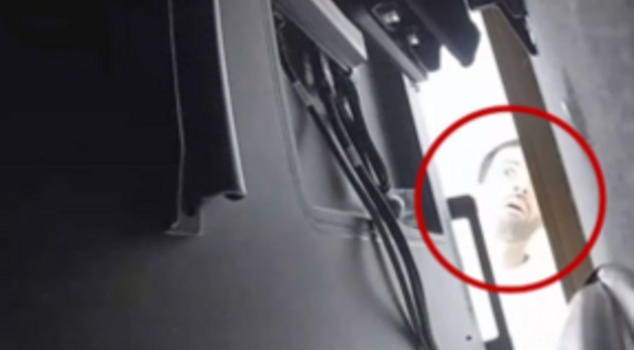
The company noticed the device, attached to the back of a television in a meeting room and covered with toilet paper, on September 30. A camera placed in the room recorded moments on October 5 when Alfozan entered the room and appeared to be looking behind the television where the device was located.
The engineer, who had been working at OpenAI for about a year, was detained by the FBI on October 9 and his contract with the company was terminated. According to the court document, Alfozan was caught three days before he was due to take a one-way flight from San Francisco to Riyadh with his wife and son.
The document stated that on the days the device was believed to have been in the room, company executives met with government officials in the same room, and argued that the suspect's action could pose a danger to US national security. Alfozan's wife and son flew from San Francisco to Doha, the capital of Qatar, on October 10, the day after his detention.
For these reasons, prosecutors argued that Alfozan posed a flight risk and should remain in custody during the trial. The Saudi government initially did not respond to BBC's requests for comment. The FBI investigation is ongoing; if found guilty, Alfozan could face up to 5 years in prison and a fine of up to $250,000.
Source: BBC