25.08.2026 12:30
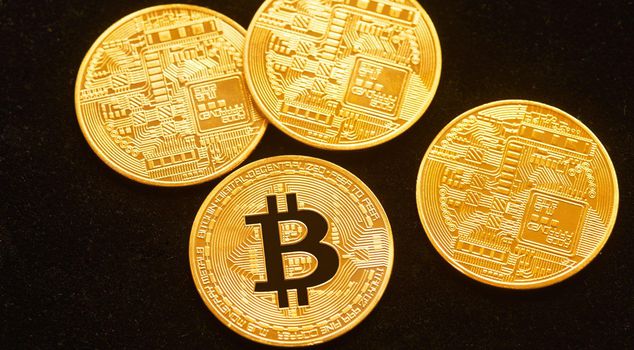
Bitcoin gained over 16 thousand dollars in six days, reaching 81 thousand dollars. However, analysts are divided on whether the move is a new bull market or a delayed recovery.
The magnitude of the move is not up for debate. Bitcoin was below $65,000 last Wednesday, and six days later it saw $81,000, a gain of more than $16,000. The weekly dollar-based increase marked one of the largest weekly dollar gains in Bitcoin's history.
One of the main developments associated with the rally was the U.S. Treasury's bond buyback plan. However, the program does not mean quantitative easing by the Fed, and it is not officially confirmed that it directly triggered Bitcoin's rise. On August 19, the U.S. Treasury raised the cap on certain liquidity-supported buyback operations covering long-term bonds from $2 billion to at least $4 billion. The expanded program will run between September 9 and November 4. According to Morgan Stanley interest rate strategist Martin Tobias, the cash the Treasury can allocate to larger buybacks ranges between $80 billion and $200 billion.
Exchange-traded funds also worked in the same direction. Spot Bitcoin funds traded in the U.S. saw net inflows of approximately $1.9 billion in the week ending August 21. The funds recorded net inflows for five consecutive sessions, marking their strongest week since October 2025. BlackRock's iShares Bitcoin Trust captured the bulk of the inflows.
The momentum side shows warming at this point. The Fear and Greed Index rose to 83, entering the extreme greed zone. The money flow index reached 77.22, approaching the overbought threshold of 80.
The momentum indicator tracked by Bitfire Research also climbed to 78. This indicator compares recent gains to recent losses, and values above 70 are read as the price rising too quickly. The research firm expects selling pressure between $78,500 and $82,000. It predicts buyers will step in between $72,400 and $73,500.
BTSE SETS $100,000 CONDITION FOR A BULL MARKET
Presto Research researcher Min Jung described the move above $80,000 and the fund inflows as a catch-up move for Bitcoin lagging other risk assets. According to Jung, Bitcoin had lagged other risk assets for a long time. The researcher stated it is still too early to talk about a full bull market.
BTSE operating director Jeff Mei quantified the condition. Mei said, "I would not assume a bull market unless Bitcoin stays above $100,000 for a month and the Fed signals a rate cut." According to Mei, both conditions remain uncertain.
Arctic Digital research director Justin d'Anethan speaks more optimistically. According to d'Anethan, the bullish engulfing candle on the daily and weekly charts points to a transition from a boring accumulation period to a bull market. The researcher considers the Treasury's bond buyback decision a strong signal that monetary conditions are easing. d'Anethan said, "It's early, but one can't help being optimistic."
TWO TESTS FALL ON TOMORROW
The U.S. Bureau of Economic Analysis will release July personal income, spending, and PCE inflation data on Wednesday. PCE is watched as the Fed's preferred inflation gauge.
On the same day, Fed Chair Kevin Warsh will speak in Jackson Hole. Warsh is attending this meeting for the first time since taking office. At the Wyoming gathering, where central bankers meet every August, the chair's speech is followed as the venue where policy changes are pre-announced.
Zeus Research analyst Dominick John lists three conditions for the rally to continue. According to the analyst, inflation must soften, bond yields must decline, and the dollar must weaken. John argues that a PCE reading below expectations would support risk assets, while a high reading could push bond yields up and tighten liquidity.
Jung is looking at the bond market in the long term. According to the researcher, 30-year yields rising to their highest level since 2007 signals a tightening macro backdrop.
Finally, Bitcoin fell back below $80,000 at the time of publication. Bitcoin rose to $81,269 during the day, then fell to $79,512, reducing its gain over the last 24 hours to 2.76%. Solana pulled back from $103.10 to $99.92, dropping below $100. Ethereum also fell from its intraday high of $2,533 to $2,474.