14.06.2026 12:20
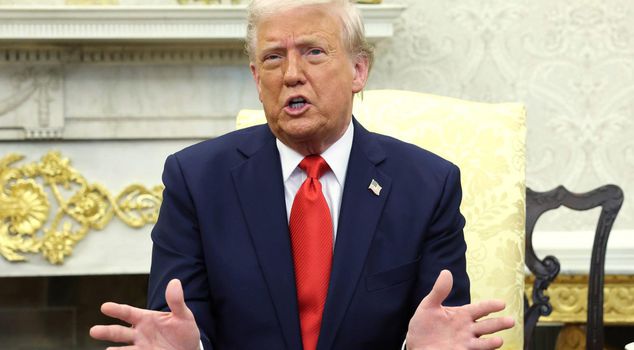
At the event held in Istanbul before the NATO Summit scheduled for July in Ankara, the future of the alliance and Turkey's strategic role were discussed. Experts noted that the decisions to be made at the summit could affect global security balances, while assessing that US President Donald Trump might request greater contributions from Turkey in mine-clearing operations in the Gulf region.
Before the NATO Summit to be held in Ankara in July, the event titled "NATO 2026: A Look from Istanbul on the Way to the Ankara Summit," held in Istanbul, discussed the future of the alliance, the transformation in transatlantic relations, and Turkey's strategic role. Speakers noted that the decisions to be made at the summit would be decisive for NATO's future and global security balances.
The "NATO 2026: A Look from Istanbul on the Way to the Ankara Summit" event, organized by YATA Turkey, was held on June 13 at the Istinye University Vadi Istanbul Campus. The event, which took place ahead of the NATO Summit in Ankara in July, addressed NATO's future, European security, transatlantic relations, and Turkey's strategic position within the alliance.
EMPHASIS ON NATO'S FUTURE IN OPENING SPEECHES
In the opening speech of the event, Turkish Atlantic Council President and Retired Ambassador Fatih Ceylan stated that the NATO Ankara Summit is a critical turning point for the future of transatlantic security. Ceylan highlighted the impact of the transformation in US-Europe relations and European defense initiatives on NATO's future, emphasizing the summit's importance for alliance cohesion and stability.
YATA Turkey President Tuna D. Tanman expressed that the transformation in the international security environment directly affects NATO's security understanding. Tanman noted that NATO's transformation will affect not only alliance members but also the international system, and stated that Turkey is one of the key actors in this process.
FIRST PANEL ADDRESSED THE CRITICAL IMPORTANCE OF THE SUMMIT
Speaking in the first panel, Prof. Dr. Serhat Güvenç stated that the NATO Summit is of existential importance for the alliance, adding that due to uncertainties in the global security environment and challenges in transatlantic relations, the decisions made at the summit will shape NATO's future. Ayşe Küçük emphasized that the summit is a critical threshold in the face of current security and geopolitical developments, and stated that the decisions taken will play a decisive role in the alliance's future. Megan Gisclon noted that NATO maintains its determination to preserve unity and solidarity against current challenges, expressing that alliance solidarity is at the core of common security.
EUROPEAN SECURITY AND TURKEY'S STRATEGIC POSITION UNDER DISCUSSION
In the second panel, Retired Ambassador Fatih Ceylan drew attention to ongoing fragilities in US-Europe relations, stating that both NATO allies and Turkey face significant responsibilities. Ceylan expressed that Europe has not achieved full harmony in its security vision, emphasizing the importance of balanced and visionary policies in the current period.
Prof. Dr. Fahri Erenel evaluated the transformations in the European security architecture, noting that the divergence in defense within EU-NATO relations is deepening. Erenel highlighted Turkey's rise in the defense industry and its balanced policy in the Russia-Ukraine war, stating that Ankara's strategic importance in global security and diplomacy is increasing.
TRUMP'S GULF DEMAND ON THE AGENDA
Turkish Atlantic Council Secretary General Emir Abbas Gürbüz noted that the Ankara Summit is a critical turning point both for NATO's future and Turkey's position within the alliance. Gürbüz stated that the decisions made at the summit could have significant impacts on regional and global security balances, and indicated that topics such as the security of maritime trade routes in the Gulf and the mine threat could come to the agenda. Gürbüz noted that US President Donald Trump will demand that NATO contribute more to mine-clearing activities in the Gulf region, emphasizing that such developments provide important clues about the region's future.
The event concluded after answering participants' questions.