10.05.2026 16:02
Iran conveyed its response to the US proposal to end the war to Washington through Pakistan. Iranian media reported that the priority in the talks is to cease hostilities in the region. As Pakistan takes on a critical mediator role, global markets are closely monitoring developments due to tensions in the Strait of Hormuz and the energy crisis. Experts warn that if diplomatic contacts fail, larger conflicts could erupt in the region.
As war and tension continue in the Middle East, a noteworthy diplomatic development has occurred. It was reported that Iran conveyed its response to the latest US proposal to end the war to Washington through Pakistan.
According to Iran's state news agency IRNA, ending conflicts in the region was the top priority in contacts mediated by Pakistan.
PAKISTAN ASSUMES A CRITICAL MEDIATOR ROLE
Analyses in the foreign press highlight Pakistan's intense diplomatic traffic with both Tehran and Washington in recent times. The Islamabad administration is noted to be actively involved in preventing the growing risk of war in the Gulf from spiraling out of control.
It is stated that due to limited direct contacts between the US and Iran, Pakistan has become one of the key countries carrying critical messages.
THE FIRST GOAL IN NEGOTIATIONS: 'STOP THE WAR'
According to information in the Iranian press, the latest proposal centers on ending the ongoing military tension in the region. Diplomatic sources suggest that the parties are currently focusing more on 'temporary formulas to halt the conflict' rather than a comprehensive agreement.
According to experts, the following topics stand out between the parties:
- Reducing military activity in the Strait of Hormuz
- Stopping new attacks against Iran
- Withdrawing threats against American bases in the region
- Returning oil shipments to normal
- Controlling mutual attacks on the Israel-Iran front
OIL MARKETS CLOSELY MONITOR DEVELOPMENTS
The possibility of diplomatic progress between Iran and the US is also being closely watched in energy markets. In recent weeks, oil prices rose sharply due to the crisis in the Strait of Hormuz, sparking concerns of a new energy crisis in global markets. Experts warn that if negotiations fail, larger military conflicts could occur in the region.
TRUMP DETAIL BACK ON THE AGENDA
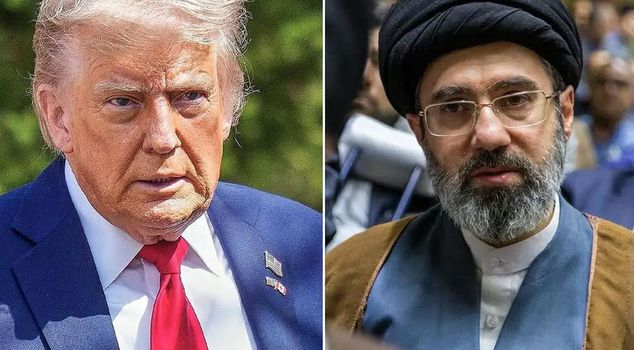
On the US side, it is noted that the Donald Trump administration continues its tough demands regarding Iran's nuclear activities and military movements in the region. Washington is said to be applying pressure, particularly on limiting uranium enrichment activities and reducing the influence of Iran-backed groups in the region. In recent times, the US has increased its military presence in the Gulf region, while Iran has also heightened its missile and drone capabilities.
CRITICAL WAIT IN THE MIDDLE EAST
Diplomatic sources indicate that contacts via Pakistan may intensify further in the coming days. Whether the parties will sit at the negotiating table directly remains a matter of curiosity.