06.04.2026 13:31
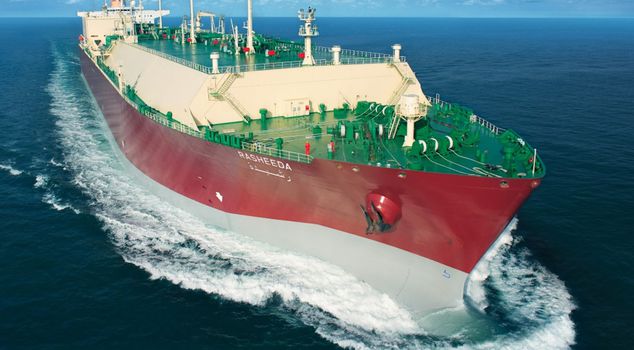
The Al Daayen and Rasheeda tankers, carrying liquefied natural gas (LNG) from Qatar, decided to turn back while heading towards the Strait of Hormuz. If the passage had occurred, it would have been the first LNG shipment since the start of the war. While it was noted that one of the tankers was destined for China, the decision to turn back indicated that the tension in the region directly affected energy transportation.
Two tankers carrying liquefied natural gas (LNG) loaded from Qatar suddenly turned back while heading towards the Strait of Hormuz. Ship tracking data revealed that the tension in the region directly affected energy shipments.
IT COULD HAVE BEEN THE FIRST TRANSIT, THEY TURNED BACK
It was reported that the tankers named Al Daayen and Rasheeda, loaded from Ras Laffan, were heading east but changed their course before reaching the Strait of Hormuz. If the tankers had been able to transit, it would have marked the first passage of LNG through the strait since the start of the US-Israel-Iran war on February 28.
THE TARGET SEEMED TO BE CHINA
According to the data, signals indicated that the target of the Al Daayen tanker was China, while the destination of the other vessel remained unclear. It was reported that both tankers were operated by QatarEnergy, but no official statement had yet been made by the company regarding the matter.
ENERGY LINE IS AT RISK
The Strait of Hormuz is known as one of the most critical transit points for global energy trade, and the military tension in the region seriously threatens LNG and oil shipments. Experts indicate that the return of the tankers is a significant risk signal for the markets.
THE IMPACT OF TENSION IS DEEPENING
The latest development shows that the conflicts in the Middle East are increasingly having not only military but also economic consequences. Disruptions in energy shipments are raising the risk of volatility in global markets.