04.08.2024 14:50
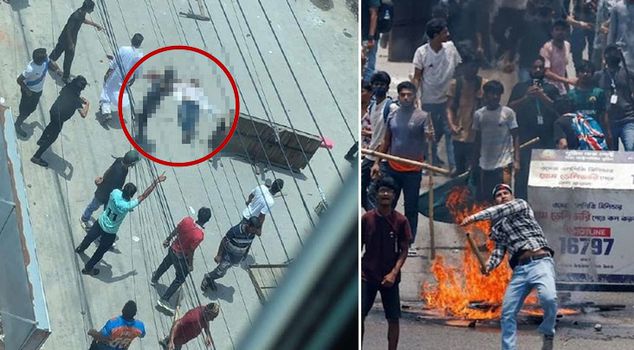
University students in Bangladesh are protesting the reinstatement of a rule that reserves one-third of government positions for descendants of those who participated in the liberation movement in 1971. Following a decision by the High Court in June, 56% of government jobs are now allocated to specific groups. At least 12 people have been killed and many others injured in clashes between protesters demanding the resignation of Prime Minister Sheikh Hasina and the police.
University students in Bangladesh have been protesting nationwide since July 1, demanding the removal of government job quotas following the reinstatement of a rule that reserves about one-third of state positions for descendants of those who participated in the 1971 liberation movement, as ordered by the Supreme Court.
"BE READY TO FIGHT" CALL
Following the June decision of the Supreme Court, 56% of government jobs are now allocated to specific groups, including children and grandchildren of "freedom fighters," women, and those from "underdeveloped regions."
Asif Mahmud, one of the key figures in the nationwide civil disobedience movement, called on his supporters to "be ready to fight." Mahmud wrote on Facebook on Sunday, "Prepare bamboo sticks and liberate Bangladesh." The protests have evolved into a broader anti-government movement in the South Asian country with a population of approximately 170 million.
12 PEOPLE KILLED IN CLASHES
Tens of thousands of protesters demanding the resignation of Prime Minister Sheikh Hasina clashed with the police in Bangladesh. The police intervened with tear gas, resulting in at least 12 deaths and numerous injuries.
After a national security meeting, Hasina stated, "The protesters on the streets are not students, but terrorists who want to destabilize the nation. I call on our citizens to suppress these terrorists with a strong hand."
Mobile operators announced that the government had shut down high-speed internet services for the second time during the recent protests, and even access to social media platforms like Facebook and WhatsApp was not possible via broadband connections.