13.10.2026 13:40
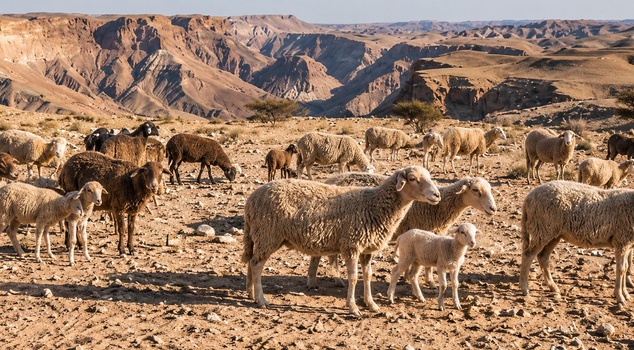
It was claimed that 15 wild sheep released into nature in the Negev Desert in southern Israel 35 years ago eventually turned into a flock of hundreds. It was alleged that the sheep aerated the soil with their hard hooves, spread plant seeds, and contributed to the return of other creatures to the area. This change, which was said to have revived wildlife, attracted attention.
A wildlife conservation project reportedly launched in the Negev Desert in southern Israel drew attention with results claimed to have emerged years later. It was alleged that the 15 wild sheep released into the area multiplied over time, reaching a population of hundreds, and played a role in reviving the desert ecosystem.
PROJECT THAT STARTED WITH 15 SHEEP
According to reports, in the 1980s scientists launched a study to protect endangered wild sheep. It was claimed that 15 animals raised in conservation areas were transported to the Negev Desert by helicopter and transport planes.
While it was wondered whether the animals could survive in the region with extreme temperatures and limited water sources, it was stated that over the years their numbers reached hundreds.
THEY CHANGED THE STRUCTURE OF THE SOIL WITH THEIR HOOVES
The most striking aspect of the project was claimed to be the sheep's effects on the environment. It was reported that the wild sheep used their hard hooves to break the crusted soil on the desert surface, creating small pits, and that these pits made it easier for water to seep into the soil during rainy periods. It was suggested that the small pools that formed helped other living creatures return to the area.
LIFE BEGAN AGAIN IN THE DESERT
It was stated that the wild sheep did not only change the structure of the soil, but also contributed to the spread of vegetation. It was stated that while grazing, the animals carried plant seeds to different areas, and that their droppings helped enrich the soil in terms of organic matter. It was claimed that these changes created more suitable habitats for desert foxes, reptiles, birds, and other living creatures.
A STRIKING RESULT AFTER 35 YEARS
It was claimed that the project, reportedly initially implemented with only 15 sheep, turned into a population of hundreds of animals after 35 years. It was reported that the study was cited as an example for the protection of wildlife and the revival of degraded ecosystems.