16.03.2026 21:00
German Chancellor Friedrich Merz responded to U.S. President Donald Trump's statements that NATO could face a "very bad future" if it does not provide warships for the reopening of the Strait of Hormuz. Merz's spokesperson, Stefan Kornelius, reminded that NATO is an alliance for defense, not offense, stating that the alliance's involvement in such a military operation is out of the question.
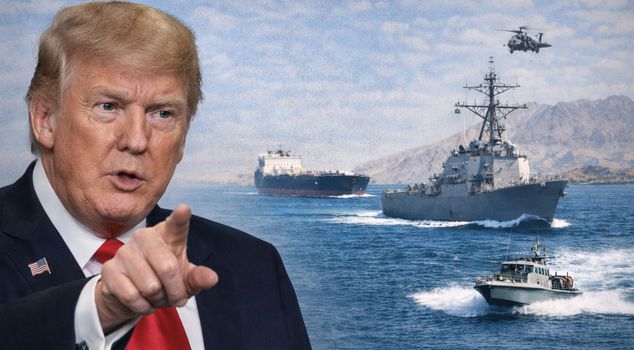
German Chancellor Friedrich Merz responded through his spokesperson to the threat made by U.S. President Donald Trump that NATO would face a "very bad future" if it did not provide warships for the reopening of the Strait of Hormuz.
KORNELIUS EXPLAINED THE GOVERNMENT'S POSITION
Merz's spokesperson Stefan Kornelius reminded that NATO is an alliance for defensive, not offensive purposes, stating that it is out of the question for the alliance to be involved in such an operation.
"NATO'S MISSION IS DEFENSE"
Kornelius emphasized in his statement that NATO's primary mission is to ensure the security of member countries and expressed that the current military operations in the Middle East do not fall under NATO's direct responsibility. The spokesperson for the German Government also stressed that the alliance should not be directly involved in this crisis.
STRAIT OF HORMUZ TENSION
U.S. President Donald Trump previously stated that NATO should intervene for the reopening of the Strait of Hormuz and mentioned that failing to send warships could have serious consequences.
CAUTIOUS APPROACH FROM EUROPE
Merz's statements once again revealed that European countries are taking a cautious approach to direct military involvement in the conflicts in the Middle East. European governments emphasize that the crisis should be resolved through diplomatic means rather than military methods.