13.04.2026 12:28
According to FIFA data, the 2026 World Cup is expected to create an economy exceeding 80 billion dollars worldwide with its new format of 48 teams. The tournament, hosted by the United States, Mexico, and Canada, is projected to have an impact of 30.5 billion dollars on the U.S. economy and contribute 40.9 billion dollars to the global economy.
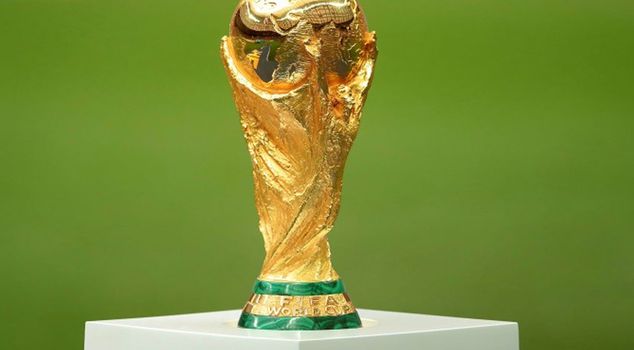
The 2026 FIFA World Cup, the largest organization in world football, stands out not only for the competition on the field but also for the billions of dollars it will impact on the global economy and the host countries.
As the excitement on the green fields approaches, the economic impact of the World Cup is expected to spread across a wide range from tourism to retail, transportation to the service sector.
The tournament, which will be held in 16 cities in the USA, Canada, and Mexico, will kick off on June 11, 2026, at the Azteca Stadium in Mexico.
Lasting more than a month, the tournament will take place in Vancouver and Toronto in Canada, Mexico City, Guadalajara, and Monterrey in Mexico, and in Atlanta, Boston, Dallas, Houston, Kansas City, Los Angeles, Miami, New York/New Jersey, Philadelphia, Seattle, and San Francisco in the USA.
The World Cup will conclude with the final match to be held on July 19 in New York/New Jersey. It is expected that its contribution to the global economy will exceed 40 billion dollars. With a new format featuring 48 teams for the first time, the number of matches is set to rise to 104, and this expansion is expected to bring about massive economic activity.
According to a report prepared in cooperation with FIFA and the World Trade Organization, the expenditures related to the 2026 World Cup, which is expected to attract 6.5 million participants, are projected to reach 13.9 billion dollars.
The tournament is estimated to provide a gross output of 80.1 billion dollars to the global economy and contribute 40.9 billion dollars to the global Gross Domestic Product (GDP). Additionally, the organization is expected to create 824,000 full-time jobs.
A contribution of 30.5 billion dollars to the US economy is expected
The USA, which serves as the hub of the tournament with 11 host cities, is preparing to take the lion's share of this economic picture. The total expenditure of 11.1 billion dollars across the country is expected to return as a value added of 30.5 billion dollars to the economy. The tournament is projected to contribute 17.2 billion dollars to the national economy, creating 185,000 full-time job opportunities across the USA.
The organization, which appears quite attractive in terms of tax revenues, is expected to provide a direct and indirect tax income of 3.4 billion dollars to the US public finances.
According to Oxford Economics data, it is estimated that the USA will host 1.24 million international visitors for the World Cup, with approximately 60% of these visitors expected to be new tourists coming solely for the tournament.
Will revitalize the economies of host cities
As the cities where the matches will be played prepare for this major event, Los Angeles, in particular, aims to provide millions of dollars in input to its economy by hosting 8 matches.
According to a report prepared by the economic research and consulting firm Micronomics, the total economic impact of the matches played in Los Angeles is estimated to reach 594 million dollars, surpassing the economic impact of another major event, the Super Bowl, which the city hosted in 2022.
Hotels in the city are expected to generate 158.4 million dollars, while the restaurant sector is projected to earn 71.7 million dollars. Similar economic momentum is also expected in other major centers like New York and Dallas.
Match tickets and hotel prices are challenging fans' budgets
The FIFA World Cup is turning into a "luxury" event for football fans due to exorbitant ticket prices and high accommodation costs. The cost of the tournament is expected to reach thousands of dollars per person for the 6.5 million fans expected to come from around the world.
It is estimated that a foreign tourist traveling for the World Cup will spend an average of 416 dollars per day. Fans are expected to stay in the host countries for an average of 12 days and attend at least two matches per person.
According to Micronomics, hotel room prices, which are normally 227 dollars in popular locations like Los Angeles, are expected to rise by 90% during match periods, reaching up to 480 dollars. Record occupancy rates are anticipated in host cities, and there may also be inventory shortages in short-term rental services.
The "dynamic pricing" model implemented by FIFA for this tournament causes ticket prices to automatically increase based on demand.
Ticket prices vary widely based on their categories and the importance of the match. The cheapest tickets for group matches featuring popular teams like Brazil or Argentina start at 700 dollars, while the price for a first-category ticket for the final match exceeds 10,000 dollars.
As demand increases and capacity is limited as the tournament approaches, there are warnings that ticket prices in secondary markets could reach record levels.
Sponsorship revenues stand out
The FIFA World Cup is also one of the most important organizations in the world in terms of sponsorship agreements. All 16 global sponsorship positions allocated for the tournament are filled, and it is noted that the sponsorship program has already generated the highest sponsorship revenue ever recorded for a sports organization before the tournament even begins, making it the most successful commercial program in FIFA's history.
According to the Sponsorship Marketing Association, the marketing and sponsorship contracts for the 2026 FIFA World Cup are expected to generate approximately 2.5 to 3 billion dollars in revenue. FIFA, a non-profit organization, channels the revenue generated from the tournament into the development of football worldwide through its 211 member federations.
The social impact is also expected to reach billions of dollars
Reports prepared within the framework of FIFA's "Theory of Change" emphasize that the social impact of the tournament has a monetary value of 6.88 billion dollars specifically for the USA.
When the initial investment cost is deducted, the value of the social return is estimated to be 5.17 billion dollars. It is expected that the increase in sports participation will leave a legacy that will be felt for years after the organization, including improvements in community health, reductions in crime rates, and encouraging youth to engage in sports. Additionally, the global media impact created by the 104 matches is reported to strengthen the tourism brands of the host cities and has the potential to attract billions of dollars in additional tourists in the decade following the tournament.
In the heart of the city, there is a beautiful park where people come to relax and enjoy nature. The trees are lush and green, providing shade on sunny days. Children play on the swings, while couples stroll hand in hand along the winding paths. The sound of laughter fills the air, creating a joyful atmosphere. Every spring, the park is adorned with colorful flowers that bloom, attracting butterflies and bees. It is a perfect place for picnics and gatherings, where friends and families can create lasting memories.