16.03.2026 10:30
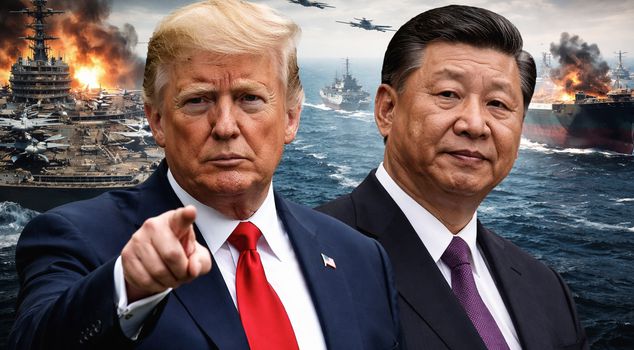
U.S. President Donald Trump stated that China obtains a large portion of its oil through the Strait of Hormuz, emphasizing that Beijing should support the reopening of the strait. Trump implied that if China does not take action, the planned summit with Xi Jinping could be postponed.
The war that started on February 28 between the US-Israel and Iran, now entering its third week, continues to escalate tensions in the Middle East. Following intense airstrikes on military targets in Iran, regional tensions have rapidly risen, while tanker traffic in the Strait of Hormuz, one of the world's most critical energy transit points, has largely come to a halt. The uncertainty over this narrow waterway, through which approximately 20% of global oil trade passes, has also led to significant fluctuations in energy markets.
"CHINA NEEDS TO TAKE RESPONSIBILITY"
US President Donald Trump called on China regarding the ongoing crisis. Trump stated that a large portion of China's energy needs is met through this waterway, emphasizing that the Beijing administration needs to take responsibility for reopening the strait. Trump said, "I think China should help too because they get 90% of their oil through the strait."
HOW DID THE CRISIS START?
The crisis in the Strait of Hormuz deepened after the US and Israel launched large-scale attacks on military targets in Iran. While Iranian military facilities, missile bases, and energy infrastructure were targeted, the Tehran administration responded with missile and drone attacks on US bases and allied countries in the region.
As the conflicts escalated, Iran announced that security in the Strait of Hormuz was at risk. Tanker traffic in the region significantly decreased, and many international shipping companies began to refrain from passing their vessels through the strait for security reasons. Rising insurance costs and increasing military risks also complicated oil transportation.
According to experts, any disruption in the Strait of Hormuz directly affects global energy supply. Particularly, Asian countries like China, Japan, South Korea, and India conduct a large portion of their oil imports through this route.
TRUMP PRESSURES CHINA
Trump also referred to the planned meeting with Chinese President Xi Jinping, stating that he wanted to see the Beijing administration's stance on the Strait of Hormuz in advance.
"I MAY POSTPONE THE SUMMIT"
The US President hinted that the summit could be postponed if China does not take action on this issue, saying, "We want to know before that. We can postpone."
The Washington administration is requesting military and diplomatic support from allied countries to restore security in the Strait of Hormuz. However, some countries are being cautious about participating in military operations in the region. Experts indicate that the crisis in the Strait of Hormuz has the potential to directly affect not only the Middle East but also global energy markets and the world economy.