22.04.2026 10:51
An artificial intelligence system developed in China creates digital clones of deceased individuals using their photos, videos, and voice recordings. For about three dollars, users can access virtual versions that mimic their loved ones' appearance and voice. While the technology attracts interest, its ethical and psychological impacts are also sparking debate.
An entrepreneur in China has created a striking technology by producing AI-powered digital copies of deceased individuals. Offered at a low price of about $3, the service has quickly garnered significant attention.
REALISTIC COPY THROUGH PHOTOS AND VOICE RECORDINGS
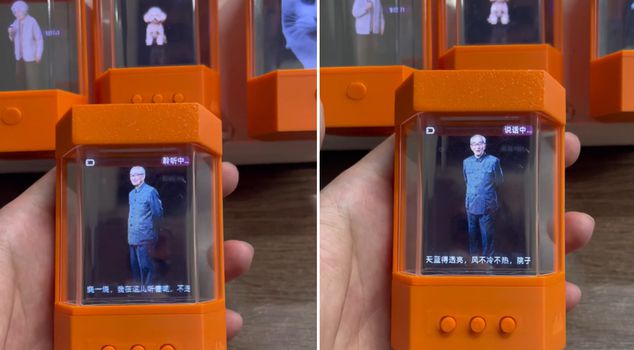
The system analyzes photos, videos, and voice recordings uploaded by users to create a digital character that mimics the person's face, expressions, and voice tone. The resulting AI clone closely resembles the real individual in appearance and speech style.
THEY 'COME BACK TO LIFE' IN VIDEOS
The images show moments where the digital versions of the deceased speak and move, capturing attention. Users state that through this technology, they can 'communicate' again with their lost loved ones in a virtual environment.
ETHICAL DEBATES ON THE AGENDA
According to reports in foreign media, while this technology is welcomed positively for its potential to support the grieving process, it also brings ethical debates. Experts highlight the psychological and legal dimensions of digitally resurrecting the deceased.
A NEW INDUSTRY EMERGES WITH AI
According to experts, such applications are opening the door to a new sector in 'digital inheritance' and 'AI avatars.' This technology, especially spreading rapidly in China, may become widespread in other countries in the future.