09.03.2026 21:21
Iran's closure of the Strait of Hormuz in response to the US-Israel attacks has begun to increase international oil and natural gas prices. According to an analysis published in the Wall Street Journal, if the strategically vital Strait of Hormuz remains closed for an extended period, oil prices could exceed a record level of $215 per barrel.
According to the Wall Street Journal, if the Strait of Hormuz remains closed for an extended period, oil prices could exceed the record level of $215 per barrel.
OIL PRICES ARE RISING
In response to attacks from the U.S. and Israel, Iran has closed the Strait of Hormuz, the most critical point in global energy trade. As military tensions in the region escalate, global oil shipments are nearing a standstill, while Brent oil prices have surged sharply with the opening of the markets. The closure of this energy corridor has created significant supply concerns in global markets.
WSJ: IT COULD EXCEED $215
According to the latest analysis published in the Wall Street Journal, it is predicted that if the strait remains closed for a long time, oil prices could surpass the historical record of $215 per barrel. Experts warn that if shipments do not return to normal, not only fuel prices but also global inflation could reach an uncontrollable level.
THE IMPORTANCE OF THE STRAIT OF HORMUZ
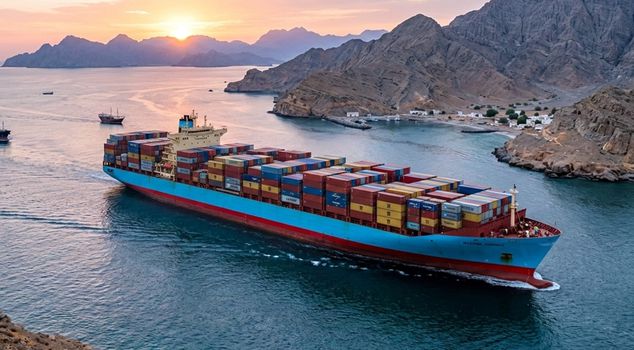
The Strait of Hormuz is considered the most critical and sensitive "jugular vein" of global energy security; approximately one-third of the oil transported by sea and a significant portion of liquefied natural gas (LNG) pass through this narrow waterway. Located between Oman and Iran, this strait, which is approximately 33 kilometers at its narrowest point, is a challenging gateway that connects major oil producers in the Persian Gulf to the open seas.
During periods of escalating regional tensions, even the possibility of the strait being closed can cause a wave of panic in global energy markets and lead to rapid price increases, making control and navigation security over Hormuz a geopolitical issue that directly affects not only the countries in the region but the entire world economy.