13.06.2026 12:40
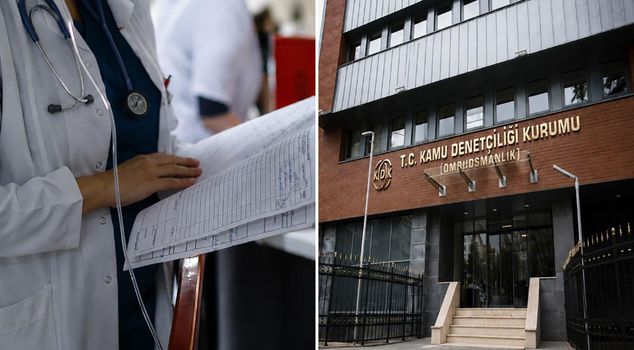
The Ombudsman Institution (KDK) ruled that in-service trainings conducted outside of working hours should be considered "overtime work" and issued a recommendation decision to grant leave to personnel, or if this is not possible, to pay overtime wages.
The Public Ombudsman Institution has ruled that in-service training conducted outside of working hours should be considered overtime. According to the decision, employees should be granted compensatory time off, and if this is not possible, overtime pay must be provided.
According to the Ombudsman's decision, a healthcare worker serving as an emergency medicine specialist at a hospital participated in an 8-hour training session as part of an assignment.
The employee stated that the training was conducted outside of working hours and that they were neither paid nor granted any compensatory time off for this assignment, and applied to the Ombudsman to have their request fulfilled.
Reviewing the application, the Ombudsman ruled that the training provided outside of working hours should be considered within the scope of 'overtime,' and recommended that the Ministry of Health grant the applicant compensatory time off, and if this is not possible, pay overtime wages.
IN-SERVICE TRAINING DEEMED OVERTIME
The decision stated that the 8-hour training attended by the applicant was conducted outside of working hours and that the training was an in-service training aimed at updating professional knowledge and skills.
Emphasizing the importance of maintaining a balanced approach between employees' right to rest and work efficiency, considering the uninterrupted provision of healthcare services and workload, the decision noted that it would be appropriate to grant the compensatory time off earned for overtime within the same year.
IF COMPENSATORY TIME OFF IS NOT POSSIBLE, PAYMENT MUST BE MADE
The decision stated that administrations have discretionary authority to grant compensatory time off for overtime, but must pay employees when such time off is not possible.
The decision included the statement: 'Any practice to the contrary would constitute a violation of the Constitutional article prohibiting forced labor and the article stipulating that wages are the equivalent of labor.'