11.03.2026 21:50
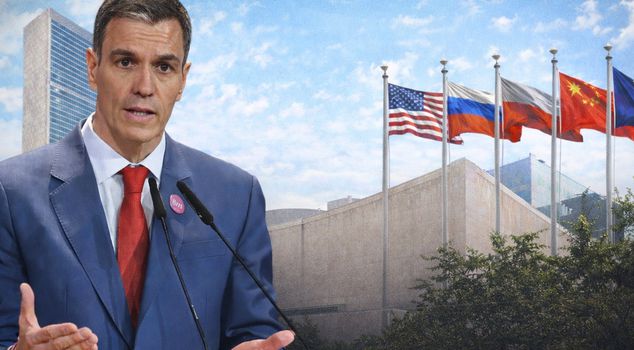
Spanish Prime Minister Pedro Sanchez made a notable call for reform, stating that the United Nations system needs to be made fairer and more functional. Emphasizing that the veto power granted only to permanent members in the United Nations Security Council hinders international decision-making processes, Sanchez argued that this power should be abolished and highlighted the need for a more effective and representative international structure in the face of global crises.
Spanish Prime Minister Pedro Sanchez called for reforms at the United Nations, stating that the international system needs to be made fairer and more functional. Sanchez argued that the veto power granted to only a few countries in the United Nations Security Council has paralyzed global decision-making processes and said that this power should be abolished.
"THE VETO SYSTEM PARALYZES GLOBAL DECISIONS"
Sanchez expressed that the current structure does not reflect the realities of today's world, stating that the veto system makes it difficult to produce solutions in many international crises. The Spanish Prime Minister emphasized the need for a more inclusive and effective international governance structure to solve global issues.
CALL FOR REFORM IN THE SECURITY COUNCIL
The Spanish leader also stated that the reforms to be made at the United Nations should not be limited to the veto power. Sanchez expressed that countries representing a large portion of the world's population, such as India, African countries, Brazil, and other major regions, should have a stronger presence in decision-making mechanisms.
According to Sanchez, global institutions should be structured to make faster and more effective decisions, especially in the face of increasing wars and crises in recent years. The Spanish government argues that the United Nations needs to transform into a more democratic and representative structure.
WHICH COUNTRIES HAVE VETO POWER?
Currently, the United States, Russia, China, the United Kingdom, and France hold veto power as permanent members of the United Nations Security Council. With this power, these countries can block a draft resolution on their own, even if other members support it.