26.02.2026 14:03
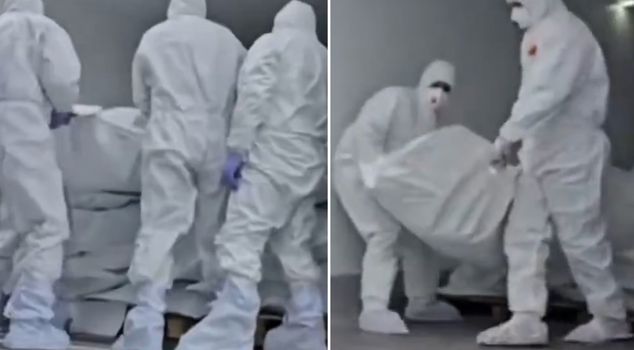
In the latest funeral exchange conducted under the Istanbul-based negotiations between Russia and Ukraine, Moscow delivered the remains of over 1,000 Ukrainian soldiers to Kiev, while Ukraine returned the bodies of approximately 30-35 Russian soldiers. Kremlin negotiation team leader Vladimir Medinsky confirmed the exchange, and the parties announced that the identification and delivery processes to families had begun, a step that demonstrated that, despite the ongoing violence of the war, humanitarian contact channels had not completely severed.
A humanitarian cooperation of a scale rarely seen so far has been achieved in the ongoing war between Russia and Ukraine. Vladimir Medinsky, who heads the Kremlin's negotiation team, announced that Russia has delivered the remains of over 1,000 fallen soldiers to Ukraine, while Kiev has returned nearly 30 Russian military remains in exchange. This exchange became one of the largest organizations of the funeral swaps conducted within the framework of the Istanbul talks between the two sides.
RUSSIA DELIVERED MORE THAN 1000 REMAINS
In a statement made by Medinsky via Telegram, he noted that the Russian side delivered the remains of over 1,000 Ukrainian soldiers, while the Ukrainian side conveyed around 26–30 Russian remains to Moscow. This step is seen as a reflection of the ongoing limited diplomacy aimed at reducing the human dimension of the war between the parties.
UKRAINE CONFIRMED
The Ukrainian Coordination Center for Prisoners also confirmed the exchange and reported that identification processes have been initiated to return the delivered remains to their families. It is stated that neutral organizations, such as the International Red Cross Committee, have played a mediating role in carrying out such remains and prisoner exchanges.
PART OF THE PEACE TALKS IN ISTANBUL
Such remains exchanges continue as part of the peace talks that were resumed in Istanbul in 2025. In negotiations held in June and July, both sides agreed on humanitarian steps such as the mutual return of the remains of soldiers who lost their lives in the war and the exchange of seriously ill and injured prisoners of war. However, these advancements have remained far from achieving a comprehensive ceasefire or peace agreement.
WHILE THE WAR MAINTAINS ITS BLOODY COURSE
While the war, which has been ongoing for more than four years, maintains its bloody course, such remains exchanges are among the most striking examples of humanitarian cooperation between countries. These exchanges demonstrate that joint efforts to return the losses to their families continue even during a period of intense violence on the front lines.