04.04.2026 11:40
According to a U.S. intelligence report, it is stated that the Strait of Hormuz, controlled by Iran, cannot be opened with military force even if the war ends, and it is assessed that the solution can only be achieved through diplomacy and international pressure.
While the US/Israel-Iran war continues, a striking assessment has emerged from a US intelligence report. The report emphasized that even if the war ends, it is unlikely that the Strait of Hormuz, a critical point for global oil trade, will open in the short term.
According to Western military experts, the military opening of the strait, which is under Iranian control, is deemed "impossible." Despite calls from US President Donald Trump, both the US and Western countries agree that the strait will not open anytime soon.
IRAN'S STRATEGIC ADVANTAGE
It is stated that Iran, which controls the Strait of Hormuz through which about one-fifth of the world's oil shipments pass, uses this power as its most important bargaining chip. According to US intelligence, it does not seem possible to break this control through military means. The report indicated that even if the war ends, the strait will largely remain closed, while it was suggested that Iran is gaining economic benefits by allowing limited crossings.
According to Bloomberg's report; Iran allows the passage of some ships for a fee. While ships belonging to China, India, Pakistan, Turkey, and French companies can pass through the strait, ships belonging to the US and its allies are not permitted to transit. It is claimed that the passing ships pay up to 2 million dollars to Iran.
ENERGY CRISIS DEEPENS
The crisis in the Strait of Hormuz has also shown its effects in global energy markets. While energy prices are rising in Europe, a serious oil crisis is reported in Asia. In the Eurozone, energy prices rose from 100.16 points in March to 106.97 points.
SOLUTION SOUGHT IN DIPLOMACY
According to an analysis by the WSJ, the safe opening of the strait can only be possible through diplomatic processes and international pressure. French President Emmanuel Macron also stated that military intervention is not realistic, while UK Foreign Secretary Yvette Cooper expressed that Iran has "taken the global economy hostage." While representatives from more than forty countries came together to discuss political and economic sanctions, it was reported that the option of military intervention is off the table.
TRUMP SENT A STRONG MESSAGE
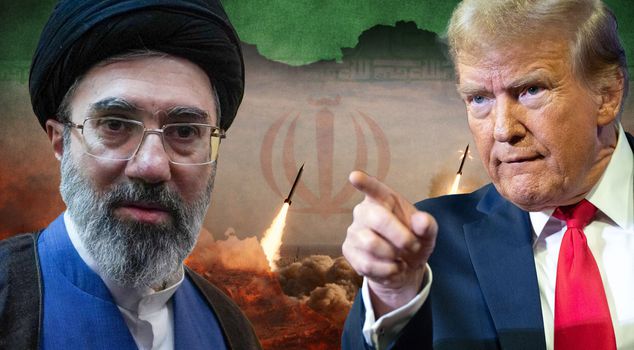
After Iran rejected the US ceasefire offer, US President Donald Trump targeted Iran with strong words, stating that the attacks would last more than two weeks.
ASYMMETRIC THREAT CONTINUES
It is stated that the US and Israeli attacks have harmed Iran's regular naval power, but the main threat comes from Iran's asymmetric capabilities. Land-based anti-ship missiles, drones, fast attack boats, and small submarines are seriously affecting maritime traffic in the region.