13.02.2026 10:46
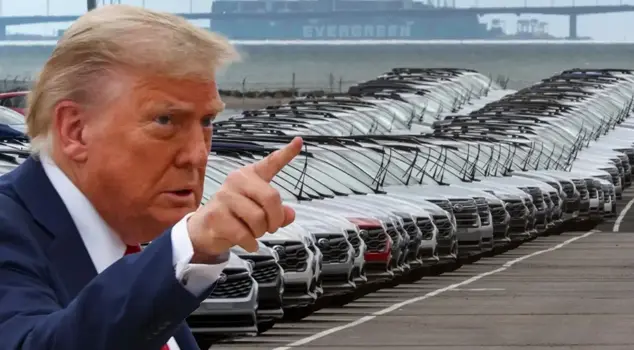
U.S. President Donald Trump has revoked the "Endangerment Finding" decision that imposed limits on greenhouse gas emissions from automobiles. It was also reported that the credits given to manufacturers for the start-stop system, which automatically shuts off the engine when the vehicle is stopped and restarts it when moving again, have been removed. Following these decisions, Trump stated that car prices would decrease, while environmental organizations emphasize that air pollution will increase.
U.S. President Donald Trump announced at a press conference held at the White House that they are taking the most comprehensive deregulation step in U.S. history.
The U.S. President stated, "We are officially ending the so-called Endangerment Finding, a disastrous policy from the Obama era that has severely harmed the American automotive industry and significantly increased prices for American consumers, as part of a newly completed process by the Environmental Protection Agency (EPA)."
WILL HELP LOWER CAR PRICES
Trump noted that this step would eliminate over $1.3 trillion in regulatory costs and emphasized that it would also help lower car prices.
ENVIRONMENTAL PROTECTION AGENCY: GREENHOUSE GAS EMISSION STANDARDS REMOVED
In a statement from the EPA, it was reported that the federal greenhouse gas emission standards for all vehicles and engines from model years 2012-2027 and beyond, which were adopted in 2009 during former U.S. President Barack Obama's administration, have been removed.
The statement also mentioned that all "off-cycle" credits, including the start-stop system that automatically shuts off the engine when the vehicle is stopped in traffic and restarts it when moving again, have also been eliminated. These credits included incentive mechanisms that allowed manufacturers to meet emission standards.
INTRODUCED DURING THE OBAMA ERA
The Endangerment Finding, adopted in 2009 during Barack Obama's administration, demonstrated through scientific data that greenhouse gases pose a threat to human health and welfare, based on over 200 pages of research. This finding formed the basis for carbon limitations on sources such as vehicle exhaust emissions, power plants, and oil and gas wells.
With the removal of the decision, greenhouse gas limits for the transportation sector in the U.S. are also eliminated. Transportation is the largest source of greenhouse gases in the country.
ENVIRONMENTAL ORGANIZATIONS REACT
Environmental organizations state that the decision could have serious consequences for both climate and public health. According to the U.S.-based Environmental Defense Fund, the repeal of the regulation could increase U.S. greenhouse gas emissions by 10% over the next 30 years. According to the same analysis, this could lead to 58,000 premature deaths and 37 million additional asthma cases by 2055.
Recent scientific studies have shown that deaths related to extreme heat have increased in the U.S. since 1999, and air pollution from wildfires has caused premature deaths. Experts also note that warmer and more humid climate conditions are increasing the spread of tropical diseases such as dengue fever. Scientists predict that the global temperature increase has already reached approximately 1.4 degrees compared to pre-industrial levels and that with current policies, an increase of around 2.6 degrees by the end of the century is possible. Exceeding the 1.5-degree target increases the risk of intensifying extreme weather events and rising sea levels.
Trump had withdrawn the U.S. from the Paris Climate Agreement during his second presidential term. The U.S. is currently the second-largest greenhouse gas emitter in the world after China. However, it continues to hold the title of the country that has emitted the most carbon into the atmosphere since the industrial revolution.
California Governor Gavin Newsom and many Democratic politicians have announced that they will file a lawsuit against the decision. Legal experts indicate that the issue could ultimately be brought before the U.S. Supreme Court.