01.12.2025 16:16
Due to the rapidly spreading sheep-goat flower disease in Greece, more than 417,000 animals have been culled. Farmers are experiencing significant economic losses, and a serious decline in feta cheese production along with price increases is expected. The inadequacy of compensation and the government's delayed intervention are leading to protests.
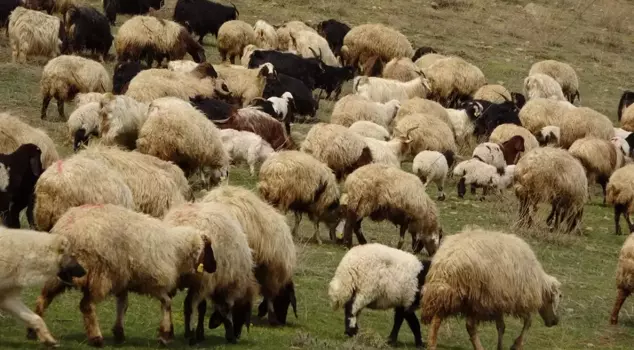
Greece is facing a major agricultural crisis due to the rapidly spreading sheep-goat pox virus in recent months. As in many farms in the Thessaly region, the outbreak is spreading in the city of Karditsa, leading to the culling of hundreds of thousands of animals.
"THE STABLES ARE EMPTY, SILENCE REIGNS"
Anastasia Siourtou, who runs a farm with 650 sheep and is also a veterinarian, stated that her entire flock was culled on November 12 after the virus was detected. Siourtou noted that cases at a neighboring farm were concealed, saying, "The disease probably spread this way. The culling day was very brutal. I felt I couldn't protect them."
OUTBREAK SPREADING ACROSS THE COUNTRY
The virus was first detected in Northern Greece in August 2024 and quickly spread to many regions. According to the Ministry of Agriculture:
- 1,702 cases were detected by mid-November,
- Approximately 417,000 sheep and goats were culled,
- This figure represents 4-5% of the country's total livestock population.
Even a single case on a farm requires the destruction of the entire flock.
FETA CHEESE PRODUCTION AT RISK
80% of the sheep and goat milk in Greece is used in the production of feta cheese, which has a geographical indication in the European Union. Last year, feta exports amounted to 785 million euros.
Due to the decrease in milk supply caused by the outbreak:
- Small dairies have started to experience supply difficulties,
- Experts predict production costs will rise,
- Price increases in the upcoming period will be inevitable.
Prof. Dimitris Gougoulis from Thessaly University stated, "The limited amount of milk makes it difficult to maintain feta production in the market."
FARMERS ARE REACTING: AGRICULTURE IS COLLAPSING
Farmer Tassos Manakas, whose 873 animals were culled near Karditsa, expressed his significant loss by saying, "If you cut my blood that day, it wouldn't flow." Farmer Haris Seskliotis from Rizomylos village said he lost 700 sheep and that this is the second disaster he has experienced in two years. "We don't know any other job," he conveyed his helplessness.
CRITICISMS: DELAYED INTERVENTION AND INSUFFICIENT MEASURES
The government compensates between 132-220 euros per culled animal, but farmers find this "insufficient." Additionally:
- The Expert Committee was established 14 months after the first case,
- There is a shortage of personnel in veterinary services,
- The lack of quarantine measures in outbreak areas is heavily criticized.