29.03.2026 11:00
The war that began with the attacks of the US and Israel on Iran spread to the region within a month. A new front opened in the war with the Iran-backed Houthis launching attacks against Israel. While the US deployed thousands of soldiers to the region, the possibility of a ground operation came to the fore. Israel struck targets in Iran and Lebanon. As the energy crisis deepens, the risks in the Strait of Hormuz continue to threaten global trade.
The war that began with the attacks on Iran by the US and Israel on February 28 has now passed a month, and the conflicts continue to spread across the region. A new front in the war opened with the Iran-backed Houthis launching attacks against Israel.
NEW MILITARY DEPLOYMENT FROM THE US
The Washington administration has deployed thousands of Marines to the region. The US military announced that the first unit from two separate groups has arrived in the area aboard an amphibious assault ship. It has been suggested that the Pentagon is also considering ground operations against Iran that could last for weeks, with special forces and infantry units potentially being used. However, it is still unclear whether US President Donald Trump will approve the ground operation.
ISRAEL'S ATTACK ON IRAN AND LEBANON
The Israeli army announced that it targeted weapon production facilities in Tehran, as well as numerous warehouses and production sites. In an attack on the Bandar-e-Khamir port in southern Iran, 5 people were killed, and two ships were destroyed. Israel has also resumed its attacks against Hezbollah in Lebanon. In an attack on a media vehicle, 3 journalists were killed, and there were casualties in a second attack on rescue teams that arrived at the scene.
RETALIATION FROM IRAN AND REGIONAL COUNTRIES
Iran continued its attacks against Israel and some Gulf countries. A drone was shot down near a location close to the leader of the Iraqi Kurdish Regional Government, Masoud Barzani, in Erbil. Attempts to attack the residences of high-profile figures in the region drew attention.
NEW FRONT FROM THE HOUTHIS: MARITIME TRADE AT RISK
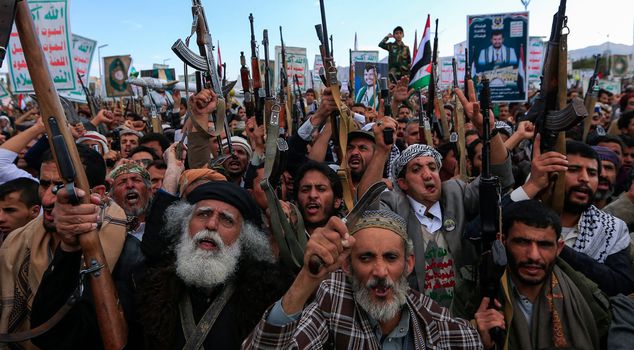
The Iran-backed Houthis in Yemen announced that they have carried out a second attack against Israel and stated that new attacks would follow. This development is considered a critical threat to global maritime trade. Following the crisis in the Strait of Hormuz, attention has now turned to the Bab el-Mandeb Strait.
DIPLOMATIC TRAFFIC HAS INCREASED
In an effort to reduce tensions in the region, it has been announced that talks involving the foreign ministers of Saudi Arabia, Turkey, and Egypt, mediated by Pakistan, will begin. Iranian President Masoud Pezeshkian has also contacted the Prime Minister of Pakistan.
ENERGY CRISIS DEEPENS
The war is seriously affecting global energy supply, causing significant disruptions in oil and natural gas shipments. Due to threats in the Strait of Hormuz, tanker passages have largely come to a halt. Iran has granted limited permission for the passage of 20 ships flying the Pakistani flag.
PROTESTS HAVE STARTED IN THE US
As anti-war protests spread across the US, it is noted that the war is increasing political pressure on the Trump administration ahead of the upcoming midterm elections.
US-ISRAEL'S ATTACKS ON IRAN
While negotiations continue between the governments of Tehran and Washington, Israel and the US launched a military attack on Iran on February 28. Iran responded with attacks on targets it identified in some regional countries, including Qatar, the UAE, and Bahrain, where US bases are located, in addition to Israel. In the US-Israel attacks, former Iranian leader Ali Khamenei, along with many high-ranking officials, was killed.