16.01.2026 23:20
The Syrian government has taken a comprehensive step regarding the long-debated rights of the Kurdish population in the country. With a decree issued by President Ahmed Shara, the cultural, linguistic, and citizenship rights of the Kurds have been officially recognized, while notable regulations such as the prohibition of discrimination and the declaration of Nowruz as a national holiday have been implemented.
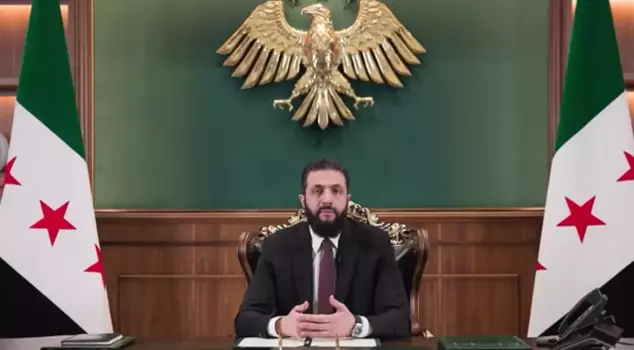
Syrian President Ahmed Shara issued a comprehensive decree recognizing numerous cultural, linguistic, and citizenship rights for the country's Kurdish population. The new regulations have sparked significant reactions as the Syrian state officially recognizes Kurds as an "inseparable and integral part" of the nation's people.
KURDISH IDENTITY DECLARED PART OF NATIONAL IDENTITY
The published decree number 13 officially acknowledges that citizens of Kurdish origin are a fundamental element of the Syrian people and that their cultural and linguistic identities are an inseparable part of the country's multifaceted national identity.
The state has committed to preserving such cultural and linguistic diversity and ensuring the rights of Kurdish citizens to develop their heritages, arts, and mother tongues.
KURDISH RECOGNIZED AS A NATIONAL LANGUAGE
According to the decree, Kurdish has been recognized as a national language in Syria. In regions with a significant Kurdish population, both state and private schools will be allowed to teach Kurdish as an elective subject or as part of cultural activities.
CITIZENSHIP AND CANCELLATION OF THE 1962 CENSUS
The decree abolished all exceptional laws and practices resulting from the controversial census conducted in Hasakeh province in 1962. In this context, all individuals of Kurdish origin living in Syrian territory – including those born unregistered – were granted Syrian citizenship with full equal rights.
NEVROUZ DECLARED A NATIONAL HOLIDAY
With the decree, Nevruz, celebrated on March 21, has been declared an official paid holiday throughout Syria as a celebration symbolizing spring and brotherhood. This move is seen as a symbolic step towards recognizing Kurdish cultural heritage.
DISCRIMINATION PROHIBITED, INCLUSIVE DISCOURSE MADE MANDATORY
The decree explicitly prohibits discrimination based on ethnicity or language and mandates that state media and educational institutions promote an inclusive and holistic national discourse. Those who engage in discrimination or spread hate speech will be punished under existing laws.
The decree also stipulates that relevant ministries and institutions will issue the necessary executive instructions for the implementation of each provision. The decree will come into effect from the date it is published in the official gazette.
HERE ARE THE ARTICLES OF THE DECREE...
Article 1: Syrian Kurdish citizens are recognized as a fundamental and original part of the Syrian people; their cultural and linguistic identities are an inseparable part of Syria's unified and diverse national identity.
Article 2: The state commits to preserving cultural and linguistic diversity; it guarantees the rights of Kurdish citizens to protect their heritages, arts, and to develop their mother tongues within the framework of national sovereignty.
Article 3: Kurdish is recognized as a national language; in state and private schools in regions where Kurds constitute a significant percentage of the population, it will be allowed to be taught as part of the elective curriculum or as a cultural and educational activity.
Article 4: All exceptional laws and practices resulting from the census conducted in Hasakeh province in 1962 have been abolished. All residents of Kurdish origin living in Syria, including those previously unregistered, will be granted Syrian citizenship with full equality in rights and duties.
Article 5: The "Nevruz" holiday has been declared a national celebration symbolizing spring and brotherhood, and an official paid holiday throughout the Syrian Arab Republic.
Article 6: It is mandatory for state media and educational institutions to adopt an inclusive national discourse. Any form of discrimination or exclusion based on ethnicity or language is legally prohibited; inciting ethnic conflict will be punished under existing laws.
Article (7): The relevant ministries and authorized institutions will issue the necessary executive instructions for the implementation of the provisions of this decree.
Article (8): This decree shall come into effect from the date it is published in the Official Gazette.