08.04.2026 21:40
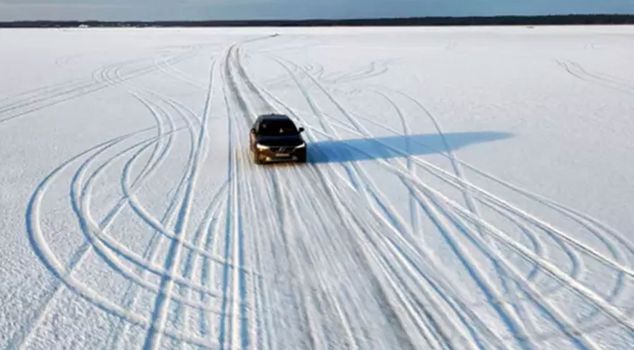
In Estonia, harsh winter conditions have frozen the sea, creating a 20-kilometer natural "ice road" between Saaremaa and Hiiumaa. This unusual route, reactivated due to disruptions in ferry services, is opened to vehicle traffic under strict security rules, drawing attention as both a necessary transportation solution and a long-standing regional tradition.
Freezing cold weather, which is increasing its impact in Northern Europe, has brought an unusual transportation method back to the agenda in the Baltic country of Estonia.
20 KILOMETER NATURAL ROAD OPENED
In the country, an approximately 20-kilometer ice road connecting the islands of Saaremaa and Hiiumaa was officially opened on Sunday. After the opening, many drivers created a density in the region to be able to pass over the frozen sea surface. Authorities stated that citizens starting to drive on the ice with their own means posed a risk and officially designated the road to control the process.
STOPPING INSIDE THE VEHICLE AND WEARING SEATBELTS ARE ALSO PROHIBITED
Strict safety rules have been introduced for drivers using the ice road. Accordingly, the weight of the vehicles using the road cannot exceed 2.5 tons. The speed limit must be either below 20 km/h or within the range of 40 to 70 km/h. It is stated that medium speeds can cause dangerous vibrations on the ice.
According to a report in The Guardian, it is also prohibited for drivers to stop inside the vehicle and wear seatbelts. In case of an emergency, the vehicle doors must be easily openable for quick evacuation. Maintaining a safe distance between drivers is also mandatory.
REOPENED AFTER 8 YEARS
Authorities stated that the ice road between the two islands was last actively used about 8 years ago. It was expressed that this natural route did not form in recent years due to the winters not being harsh enough.