17.03.2026 13:11
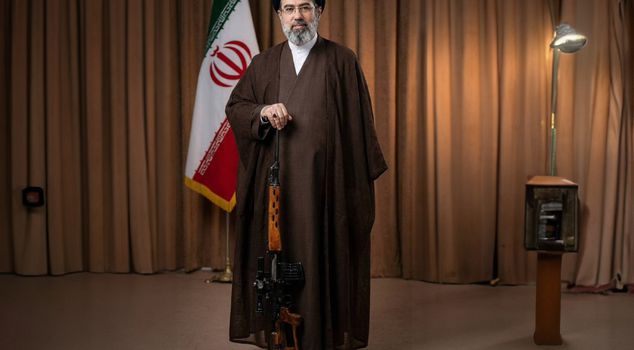
Iran's new leader Mojtaba Khamenei rejected peace proposals conveyed through intermediary countries, sending the message that "now is not the time." Khamenei's response also justified the view that a tougher and more uncompromising line would prevail in the Iranian administration with the new leader's arrival.
It has emerged that Iran's new religious leader, Mojtaba Khamenei, has closed the door to possible peace talks with the US and Israel. According to a senior Iranian official speaking to Reuters, Khamenei stated that "it is not the right time for peace" by rejecting proposals conveyed through intermediary countries.
According to claims, Khamenei argues that the US and Israel must first be defeated on the ground and pay compensation to Iran. This approach has been interpreted as likely to further escalate the already high tensions in the region.
HARSH LINE AFTER THE WAR
Mojtaba Khamenei took office following the death of former leader Ali Khamenei in an attack carried out by the US and Israel at the end of February.
With the new leader's arrival, it is assessed that a harsher and more uncompromising line has taken hold in the Iranian administration. Indeed, in Mojtaba Khamenei's initial messages, it was emphasized that the war would continue and there would be no retreat. The Iranian administration has drawn attention with threats to close the Strait of Hormuz and attack US targets.
DIPLOMACY DOOR CLOSING
While the US side occasionally gives signals for negotiation, the latest messages from the Iranian front weaken the possibility of a diplomatic solution. The Tehran administration has previously stated that the possibility of resuming talks with the US is not on the agenda at this stage. According to experts, Iran's "results on the ground first" approach indicates that the war is unlikely to end in the short term.
TENSION ESCALATING IN THE REGION
The war that began between Iran and Israel and the US on February 28 quickly spread across the region. Airstrikes, missile launches, and attacks on energy infrastructure have created significant instability in the Middle East. Recent developments show that the Iranian administration has become even more hardened and the likelihood of peace is increasingly weakening.
US-ISRAEL'S ATTACKS ON IRAN
While negotiations continue between the Tehran and Washington administrations, Israel and the US launched a military attack on Iran on February 28. Iran responded with attacks on targets it identified in several regional countries, including Qatar, the United Arab Emirates (UAE), and Bahrain, where US bases are located, in addition to Israel.
In the US-Israel attacks, many high-ranking officials, including Iranian leader Ayatollah Ali Khamenei, were killed. According to Iranian officials, the death toll from the US-Israel attacks has exceeded 1,348, and the number of injured has surpassed 17,000.