05.03.2026 18:52
World Health Organization Director-General Ghebreyesus expressed his concerns about the increasing tensions in the Middle East and the threat to nuclear facilities following the targeting of Iran by the US and Israel. He emphasized that attacks on health services could have serious consequences for the pandemic.
World Health Organization (WHO) Director-General Tedros Adhanom Ghebreyesus reported that the increasing tensions in the Middle East due to the targeting of Iran by the USA and Israel pose a concerning threat to nuclear facilities.
Ghebreyesus and WHO Eastern Mediterranean Regional Director Hanan Balkhy made evaluations at the WHO's weekly press conference.
Expressing their deep concern regarding the conflicts targeting Iran and the Middle East, Ghebreyesus stated, "So far, approximately 1,000 deaths have been reported in Iran, 50 in Lebanon, 13 in Israel, and 11 in other Gulf countries due to conflicts affecting 16 countries."
Ghebreyesus reminded that the WHO has confirmed some attacks on health services in Iran and Lebanon, emphasizing that health services must be protected under international humanitarian law.
100,000 PEOPLE HAVE LEFT IRAN
Stating that the conflict has significantly caused displacements, the WHO Director-General noted that an estimated 100,000 people have left Iran and more than 60,000 people have been displaced in Lebanon so far.
Ghebreyesus indicated that due to the "evacuation orders" issued by Israel in southern Lebanon, it is estimated that at least 1 million more people may be on the move.
NUCLEAR WARNING
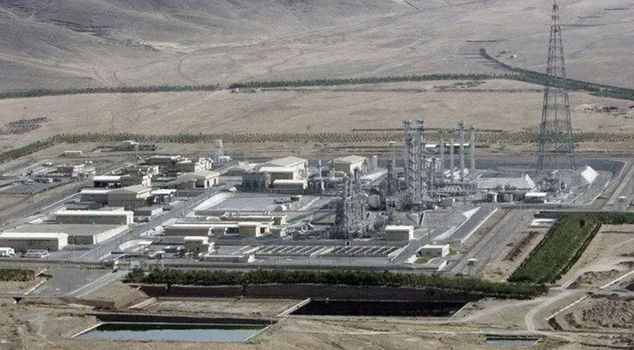
Ghebreyesus expressed that the threat to nuclear facilities is also concerning, stating that compromising nuclear safety could lead to serious public health consequences.
Ghebreyesus shared that operations in Dubai, which serves as the logistics center for global health emergencies for the WHO, are currently suspended due to security issues.
"WHO CONFIRMED AN ATTACK ON A HEALTH SERVICE IN IRAN LAST WEEK AND ONE IN LEBANON"
WHO Eastern Mediterranean Regional Director Balkhy emphasized that the tension in the Eastern Mediterranean region is rapidly spreading, resulting in serious consequences for civilians and health systems in the area.
Pointing out that more than 1,000 people have died and 7,000 have been injured due to the recent conflicts, Balkhy noted their greatest concern is regarding attacks on health systems.
Balkhy stated, "WHO confirmed an attack on a health service in Iran last week and one in Lebanon. The evacuation orders (issued by Israel) in Lebanon led to the closure of 43 essential health centers and two hospitals. Violence has also affected first responders. Health workers, patients, and health facilities must be protected even in war."
Balkhy mentioned that the WHO's global health emergency logistics center in Dubai is currently at risk and has been temporarily halted, stating, "This disruption prevents access to humanitarian health supplies worth $18 million, while shipments worth $8 million cannot reach the center. More than 50 emergency aid requests from 25 countries are currently affected."
US-ISRAEL ATTACKS
Israel and the USA launched a military attack on Iran on February 28 while negotiations were ongoing between the Tehran and Washington administrations.
Iran responded with attacks on targets it identified in some regional countries, including Qatar, the United Arab Emirates (UAE), and Bahrain, where US bases are located, in addition to Israel.
In the US-Israel attacks, numerous high-ranking officials, including Iranian leader Ayatollah Ali Khamenei, were killed.
Iranian Health Ministry Spokesperson Hossein Kermanpur announced that 926 people have lost their lives in the US-Israel attacks.