07.04.2026 07:21
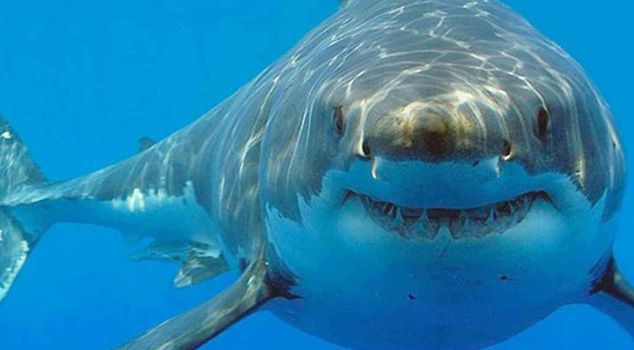
A study found pollutants such as cocaine, caffeine, diclofenac, and acetaminophen in three species of sharks living in the Bahamas. The research highlighted the impact of the tourism sector on the natural ecosystem.
In a scientific study, variable levels of cocaine, caffeine, diclofenac, and acetaminophen pollutants were detected in three species of sharks in the Caribbean country of the Bahamas. The research published in the journal Environmental Pollution reported that the Caribbean reef, Atlantic nurse, and lemon shark species living in the Bahamas were analyzed.
The study reported that variable levels of cocaine, caffeine, diclofenac, and acetaminophen, including "contaminants of emerging concern" (CEC), were detected in a total of 85 sharks of these three species living particularly in the country's tourist areas.
The research emphasized the impacts of the tourism sector on the natural ecosystem, noting that the increase in the number of vacation homes and rental properties "significantly increased the volume and chemical complexity of local wastewater."
THE STUDY HIGHLIGHTED POLLUTION RISKS EMERGING IN ECOSYSTEMS
The study indicated that the findings highlighted "the pollution risks emerging in ecosystems considered seemingly unspoiled in the Bahamas."
The research titled "Drugs in Paradise: Caffeine and Cocaine Found in Sharks in the Bahamas" was published in the May 2026 issue of the journal shared online.
The term CEC (contaminants of emerging concern) is used to describe pollutants detected in environmental observations that may cause effects on ecological or human health and are not regulated by environmental laws.