04.02.2026 19:28
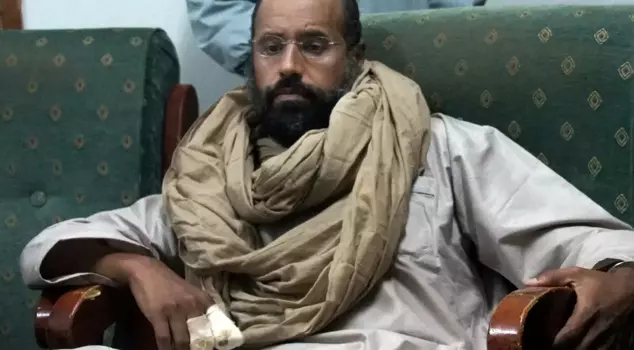
Saif al-Islam Gaddafi, the son of Libya's ousted leader Muammar Gaddafi, has died as a result of an armed attack in the city of Zintan, where he had lived for years. No information was provided regarding the details of the attack, which was confirmed by Gaddafi's political advisor Abdullah Osman. Saif al-Islam Gaddafi was imprisoned in Zintan in 2011 and sentenced to death by firing squad for war crimes by a court, but he was released in 2017 under an amnesty law.
Saif al-Islam Gaddafi, the son of Libya's ousted leader Muammar Gaddafi, was killed in a shooting attack.
KILLED IN THE CITY OF ZINTAN
Libyan media reported that Saif al-Islam Gaddafi, the son of Libya's ousted leader Muammar Gaddafi, was killed in a shooting attack. Reports in the Libyan press stated that the 53-year-old Gaddafi was killed in the city of Zintan, where he had lived for years.
NO STATEMENT FROM OFFICIALS
The attack was confirmed by Gaddafi's political advisor Abdullah Osman, but the attackers and the circumstances of the murder are still unknown. Libyan officials have not yet made a statement regarding the matter.
HE HAD BEEN SENTENCED TO DEATH
While Saif al-Islam Gaddafi never held an official position in Libya, he was considered his father's right-hand man from 2000 to 2011. Saif al-Islam Gaddafi was reported to have been captured by a Libyan nomad while trying to escape to neighboring Niger disguised as a member of a Bedouin tribe after his father's overthrow.
Saif al-Islam Gaddafi was imprisoned in Zintan in 2011 and sentenced to death by firing squad for war crimes, but he was released in 2017 under an amnesty law. Additionally, an arrest warrant had been issued against Saif al-Islam Gaddafi by the International Criminal Court (ICC) for war crimes.
HE HAD APPLIED FOR CANDIDACY FOR THE PRESIDENCY
Saif al-Islam Gaddafi applied for candidacy in the presidential election on November 14, 2021, but his candidacy was canceled due to a final judicial decision against him for murder and war crimes. Saif al-Islam Gaddafi's appeal against the decision raised tensions, leading to the collapse of the election process and deepening Libya's political crisis.