03.03.2026 19:03
The closure of the liquefied natural gas facility in Qatar due to the tensions caused by the attacks from the US and Israel has led to significant increases in global coal prices. Coal prices on the Newcastle and Rotterdam exchanges rose by up to 20%.
The war that began with attacks by the US and Israel on many Iranian cities, especially Tehran, continues with Iran's retaliatory strikes; the closure of the Strait of Hormuz by Iran has disrupted oil and energy markets.
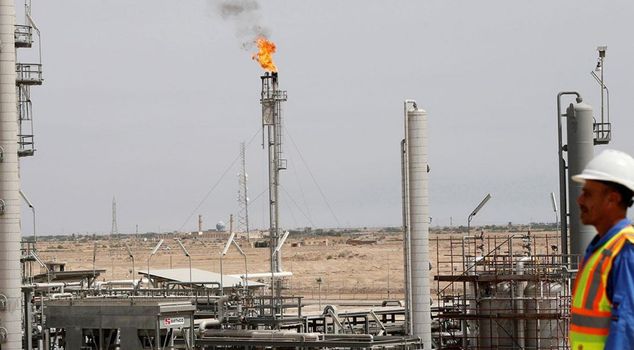
While oil production companies in the region announced that they had suspended their production; Qatar also decided to shut down its liquefied natural gas (LNG) facility and halt the country's LNG production.
NATURAL GAS PRODUCTION HALTED, COAL PRICES SOARED
Qatar's decision increased the need for fuel switching in the electricity sector, leading to a significant rise in coal prices on global reference markets such as Newcastle and Rotterdam.
In Asia, reference Newcastle coal futures closed at $115.80 per ton on February 27. As of today at 16:25 TRT, this price has increased by 20.03% compared to the February 27 closing, reaching $139 per ton. This figure represents the highest level seen since December 2024.
HIGHEST LEVEL SINCE 2023
In the API2 Rotterdam Coal Futures Market, prices that closed at $106 per ton on February 27 have recorded an increase of 31.17% as of today at 16:20 TRT, reaching $139.05 per ton compared to that closing. This figure is the highest level seen since May 2023.
PANIC IN ASIAN MARKETS
The closure of Qatar's LNG facilities for security reasons has caused a historic surge of up to 100% in the April futures contracts at the TTF, the most liquid virtual natural gas trading hub in Europe, over the last two days.
The halt of production by Qatar, which alone accounts for about 20% of global LNG supply, has created panic, especially in Europe, which is preparing to replenish winter stocks, and in Asian markets with high energy dependence.
MAIN FACTOR: STRAIT OF HORMUZ
With the increasing shipping risks over the Strait of Hormuz, the cost of natural gas in electricity generation is rising, and energy-intensive industries are expected to quickly switch to coal as the fastest alternative. This is emerging as the main factor behind the increase in coal prices.