25.03.2026 17:40
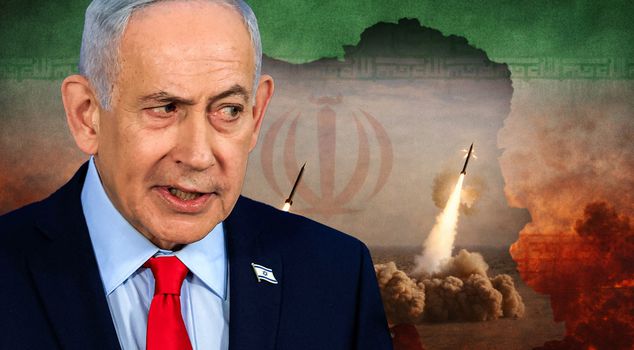
The Israeli government has approved the mobilization of up to 400,000 reserve soldiers following rising tensions with Iran. This move by the Tel Aviv administration has once again disappointed those who say, "The war is ending."
Israel is expanding its military preparations amid rising tensions in the region. According to a report by The Times of Israel, the Tel Aviv government has allowed the mobilization of approximately 400,000 reservists. The Israeli army stated that this number is not definitive and represents an upper limit that provides flexibility based on operational needs.
EMERGENCY AUTHORITY EXTENDED
The Israeli army's authority to call up reservists "under emergency orders" has been regularly submitted for government approval since October 7, 2023. The Tel Aviv government had last allowed the mobilization of 280,000 soldiers in December 2025. One day after the start of attacks on Iran, the Israeli army announced that it would call up 100,000 reservists.
TENSIONS ESCALATE IN THE REGION
On February 28, Israel and the U.S. launched a military attack on Iran, to which Iran responded by conducting attacks on targets it identified in countries such as Qatar, the United Arab Emirates, and Bahrain, where U.S. bases are located.
THOUSANDS OF SOLDIERS DEPLOYED
While diplomatic efforts continue, the U.S. military has increased its presence in the Middle East. In addition to the existing force of over 50,000 troops, thousands of Marines and paratrooper units have been sent to the region. Units supported by fighter jets, helicopters, and armored vehicles are on standby for a possible ground operation. It has been claimed that the U.S. may specifically target the strategically important Hark and Qeshm islands of Iran. These areas are critical points in terms of Iran's energy infrastructure and military capacity.
15-POINT AGREEMENT ON THE AGENDA
The draft text also includes provisions such as limiting Iran's ballistic missile activities, cutting support to militia groups in the region, and keeping the Strait of Hormuz open. In return, topics such as the lifting of sanctions and support for civilian nuclear programs are also noteworthy. However, no official confirmation regarding the plan has been made.
According to information reported by Al Hadath, again based on Israeli Channel 12, the following headings are included in the 15-point agreement draft:
1 - The automatic removal of the threat of re-imposing sanctions
2 - The complete elimination of Iran's current nuclear capacity
3 - Iran's commitment that it "will never seek nuclear weapons"
4 - The prohibition of any nuclear enrichment activities on Iranian soil
5 - The delivery of enriched uranium to the International Atomic Energy Agency (IAEA)
6 - The decommissioning and destruction of nuclear facilities in Natanz, Isfahan, and Fordow
7 - Granting full access to all information to the IAEA
8 - Iran's abandonment of its "proxy forces" strategy
9 - Cutting off funding and arms support to militia groups in the region
10 - Keeping the Strait of Hormuz open without closing it
11 - The postponement of decisions regarding the ballistic missile program
12 - The use of ballistic missiles solely for defensive purposes
13 - The lifting of all sanctions against Iran
14 - Support for the development of civilian nuclear programs in Bushehr
15 - The automatic cancellation of the threat of re-imposing sanctions