13.03.2026 12:41
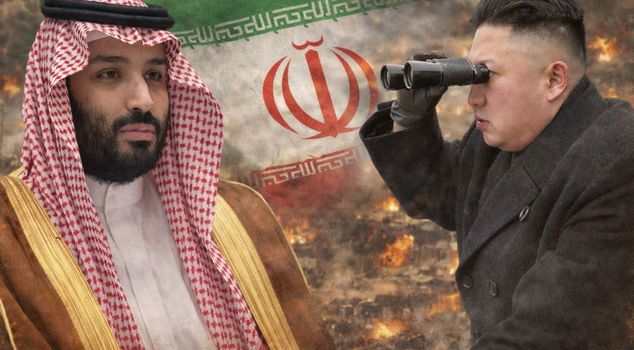
North Korean leader Kim Jong Un called on Arab countries to support Iran, arguing that remaining silent could expose the region to a greater geopolitical threat; experts assess the statement as propaganda and a strategic message.
The statement made by North Korean leader Kim Jong Un regarding the war in the Middle East once again highlighted how regional tensions reflect in international discourses. Kim warned Arab countries that failing to support Iran could have serious consequences for the future of the region.
"IF THE ARABS WAKE UP TODAY..."
In his statement, Kim Jong Un argued that the Arab world's silence in the face of attacks on Iran could lead to facing a greater threat in the future. The North Korean leader said, "If the Arabs wake up today and do not fight alongside Iran, they will wake up tomorrow to the nightmare of 'Greater Israel.' Your silence will cost you your lands."
BEING EVALUATED AS A GEOPOLITICAL MESSAGE
Analysts view Kim Jong Un's words not merely as a political commentary but as a geopolitical message. It is noted that such statements should be considered within the context of propaganda and psychological discourse strategies that affect regional balances, especially during wartime.
According to experts, North Korea's indirect support for Iran through this statement can also be interpreted as an example of the discursive solidarity among actors within the anti-Western bloc. Kim's call to Arab countries has also sparked discussions about the potential reshaping of alliances in the Middle East.
MIDDLE EAST TENSION IS BEING TRANSFERRED TO GLOBAL DISCOURSE
It appears that the ongoing war between the US-Israel and Iran is creating an increasingly broader international discourse space. In this context, Kim Jong Un's statement reveals that the conflict in the region is being discussed not only among local actors but also within global political discourses.
Experts emphasize that such messages carry a communication language aimed at influencing regional public opinion and creating strategic perceptions rather than being a direct military maneuver.