13.02.2026 13:30
Due to the difficult-to-clean stains left on the streets by the habit of chewing paan, which is common among immigrant communities of Indian, Pakistani, and Bangladeshi origin in England, municipalities have started imposing a fine of £100.
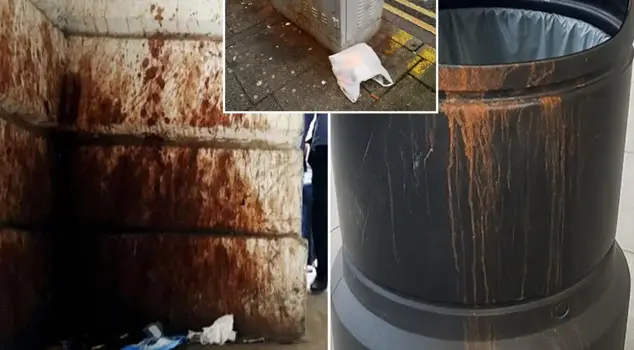
The tradition of chewing paan (betel leaf), which is particularly common among immigrant communities of Indian, Pakistani, and Bangladeshi origin in England, has caused tension between local residents and municipalities due to the difficult-to-clean brown stains it leaves on the streets.
CLEANING TEAMS ARE FACING SERIOUS CHALLENGES
Paan stains, seen on sidewalks, train stations, and around parks, especially in major cities across the United Kingdom, are increasing cleaning costs and posing a serious challenge for cleaning teams.
A FINE OF 100 STERLING WILL BE IMPOSED
Municipalities in metropolitan areas such as Birmingham, Leicester, and London have announced that a fine of 100 sterling (6,000 TL) will be imposed for littering behavior caused by chewing paan. Local authorities indicate that this measure aims to protect public health and the cleanliness of public spaces. Municipal spokespersons stated that cleaning paan stains from sidewalks requires special cleaning teams and costly equipment, putting pressure on taxpayers' resources.
A SIGNIFICANT ENVIRONMENTAL ISSUE
According to experts, while chewing paan is a traditional habit, the saliva and colorful stains left on the streets are considered an environmental issue that challenges public hygiene standards. Some business owners and citizens argue that the habit of chewing paan should be more strictly monitored in public areas, while representatives of immigrant communities call for this cultural practice not to be targeted and for solutions to be found through education. Local NGOs state that there should be respect for cultural sensitivity and community-based awareness campaigns should be organized for the cleanliness of public spaces.
With the new implementation, authorities aim to reduce the environmental damage caused by paan stains and keep public areas cleaner.