09.03.2026 15:13
Due to the war and security risks in the Middle East, Saudi oil giant Aramco has begun to reduce production at two oil fields, while previous drone attacks on energy facilities and the crisis in the Strait of Hormuz have increased the risk of a contraction in global oil supply. Experts warn that these developments could lead to sharp increases in oil prices, rising fuel costs, and new pressure on global inflation.
As the impact of war on energy markets grows in the Middle East, it has been reported that Saudi Arabia's oil giant Aramco has begun to reduce production at two oil fields. The decision is said to have been made due to attacks in the region and security risks in the Strait of Hormuz.
DECISION THAT WILL AFFECT THE WORLD
According to sources, Aramco has started to cut production at two oil fields. However, no official statement has yet been made regarding which fields and by how much production has been reduced.
The company has also redirected some crude oil shipments from the Persian Gulf to the Yanbu Port on the Red Sea coast. Aramco officials have not yet responded to questions regarding the matter.
ARAMCO HAD ALSO BEEN TARGETED BY ATTACKS
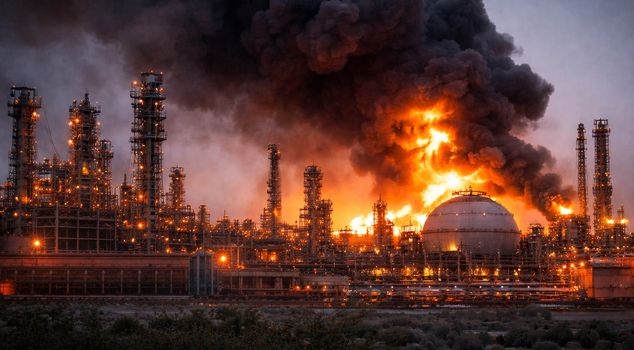
It is reported that some energy facilities in Saudi Arabia are also at risk of attacks following the outbreak of war. Some oil facilities owned by Aramco have previously been targeted by drones, and these attacks have raised security concerns regarding energy infrastructure. Following these developments, it is assessed that the company has begun to reorganize its production and shipment plans.
STRAIT OF HORMUZ CRISIS
The security risks in the region have started to lead to disruptions in oil production. Due to the Strait of Hormuz nearing a de facto closure and some Gulf countries being targeted by attacks, restrictions on oil production in the region have come to the fore.
Experts state that the Strait of Hormuz is a critical transit point through which approximately one-third of the world's oil trade passes. Prolonged disruptions in this region could lead to sharp increases in oil prices.
OIL PRICES AND INFLATION MAY BE AFFECTED
Disruptions in oil production could directly impact global energy markets. The rise in oil prices could increase fuel costs, which may also put pressure on inflation.
Experts warn that the increase in energy costs could have negative effects on growth in the global economy.