14.02.2026 10:20
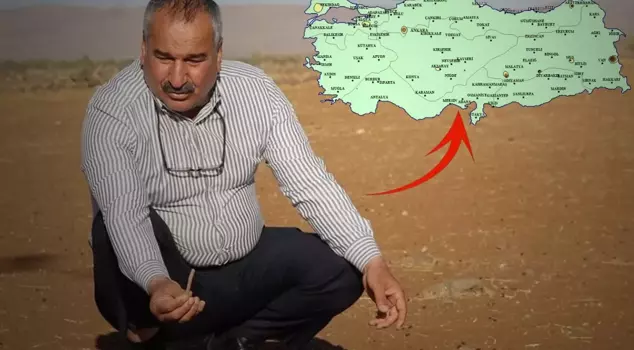
According to the General Directorate of Meteorology's drought map for January 2026, there is no meteorological drought risk across Turkey; the entire country falls into the "normal and above" precipitation category.
After the summer of 2025 passed without rainfall, precipitation increased across Turkey with the arrival of winter months. Especially in the central and eastern regions, snowfall was significant, while the filling rates of alarming dams and water sources rose.
The General Directorate of Meteorology (MGM) published the meteorological drought map for January 2026, prepared using the Percent of Normal Index (PNI) method. According to the map, all of Turkey fell into the "normal and above" precipitation category. This situation indicated that there was no meteorological drought risk across the country.
PRECIPITATION ABOVE LONG-TERM AVERAGES
According to January data, precipitation across Turkey occurred at levels of 75 percent and above of long-term averages. No region was identified that fell into the categories of mild drought (65-75 percent), moderate drought (55-65 percent), or severe drought (below 55 percent).
According to MGM's classification:
- Normal and above: No risk (green)
- Mild drought: Start monitoring (yellow)
- Moderate drought: Warning (brown)
- Severe drought: Emergency (dark brown)
It was noteworthy that the entire country was in the green category on the January map.
POSITIVE OUTLOOK FOR WATER RESOURCES AND AGRICULTURE
With the impact of heavy snow and rainfall, soil moisture increased, leading to a positive outlook for water resources and agricultural production. It was noted that the drought risk observed in some periods in previous years had largely disappeared in the first month of this year.
EXPERTS' WARNING ON CONSERVATION
Experts emphasized that while the short-term improvement is encouraging, water conservation measures should be maintained against the long-term effects of climate change.