12.02.2026 13:51
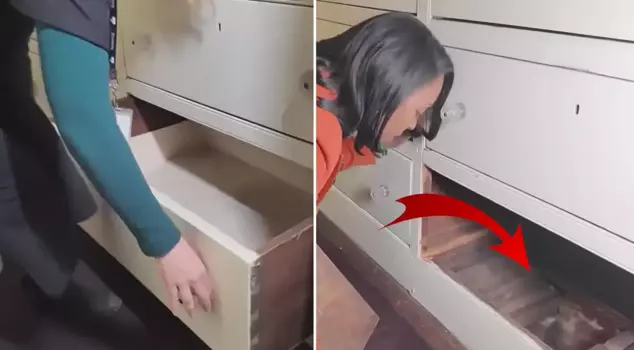
A hidden passage connected to the Underground Railroad was discovered behind the bottom drawer of a dresser in a house built in New York in the 1830s. A lawyer working in the field of historic preservation stated, "This is a discovery that will be remembered for generations. This is the most significant discovery I have made in my career in the field of historic preservation."
A hidden passage was discovered in a 19th-century house in New York, connected to a staircase leading two floors down, concealed behind the bottom drawer of a dresser. Historians determined that the structure passed through the Underground Railroad Merchant's House Museum. The discovery has been recorded as the first entrance to the Underground Railroad found in Manhattan in over 100 years.
A HIDDEN PASSAGE WAS FOUND BEHIND THE BOTTOM DRAWER OF THE DRESSER
In examinations conducted in the historic house located on East Fourth Street in Manhattan, an opening measuring 60x60 centimeters was detected behind the bottom drawer of a dresser. It was determined that the opening led to a narrow staircase going two floors down.
MAY HAVE BEEN USED AS A "SAFE HOUSE"
According to Spectrum News, the house in question was built by Joseph Brewster, known for his anti-slavery identity in the 1830s. Experts believe that the structure may have been used as a "safe house" within the secret Underground Railroad network that helped people escape from slavery at that time.
"A DISCOVERY THAT WILL BE REMEMBERED FOR GENERATIONS"
Michael Hiller, a lawyer working in the field of historic preservation and a professor at Pratt Institute, described the discovery as one of the most significant moments of his career. Hiller stated, "I have been working in the field of historic preservation law for 30 years, and this is a discovery that will be remembered for generations. This is the most important discovery I have made in the field of historic preservation throughout my career."
Historians emphasized that the design of the passage indicates that the structure was deliberately hidden. Experts noted that the area was "a deliberate masterpiece of concealment designed to be absolutely invisible to slave catchers."
Authorities announced that detailed historical and structural examinations related to the discovery are ongoing.