01.03.2026 09:30
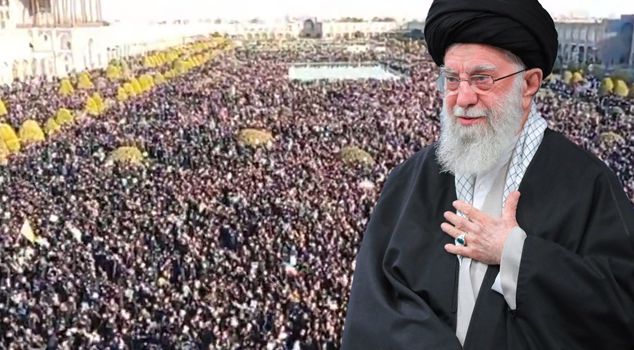
Following the death of Iran's religious leader Ali Khamenei, thousands of people took to the streets in Isfahan, with the protests drawing attention as a reaction to the leader's death and an expression of anger towards the political and economic crisis in the country.
After the joint attack by the USA and Israel on Iran, following the death of Iran's Supreme Leader Ayatollah Ali Khamenei, tensions rapidly escalated across the country. In Isfahan, the public took to the streets and protests began due to the developments in various cities of Iran.
According to incoming footage and social media posts, the protesters in Isfahan expressed their anger not only in response to Khamenei's death but also towards the current political crisis and economic conditions. The ongoing waves of protests in the country had been fueled by economic hardships and growing anger against government policies since late 2025; it was reported that slogans such as "The regime must change" and "Death to the dictator" had been chanted during these protests.
PROTESTS ARE GROWING
The street protests in Isfahan are seen as a reflection of the shock triggered by Khamenei's assassination, as well as the political and social demands represented by broad segments of the public. The protest movements across the country are intertwined with elements such as economic crisis, demands for political change, and opposition to the government.
While no clear statement has yet been made by official authorities regarding the protests in Isfahan, experts are closely monitoring the possibility of the tension and street movements in the country spreading to other cities. With the increasing geopolitical risks in the region, both Iran's domestic politics and the regional situation remain uncertain.