05.03.2026 08:23
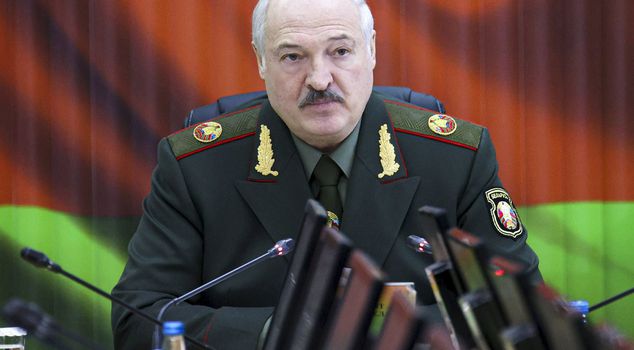
Belarus President Alexander Lukashenko described the attacks by Israel and the United States on Iran as "unacceptable," harshly criticizing the loss of civilian and children's lives; tensions are rapidly escalating in the Middle East with mutual attacks.
Belarus President Alexander Lukashenko harshly criticized the attacks by Israel and the USA on Iran, stating that the loss of civilian lives is unacceptable. Lukashenko emphasized the particular concern over the deaths of children, expressing that the attacks have raised serious concerns in the international community.
On February 28, Israel and the USA launched a large-scale operation targeting military and nuclear facilities in Iran. Explosions occurred in many locations, including the Iranian capital Tehran, during the attacks. The operation also included targeted strikes against high-ranking military officials and political leaders in Iran.
US BASES SUFFERED HEAVY DAMAGE
Following the attacks, the Iranian government initiated retaliation by launching missile and drone strikes against Israel and US bases in the region. Gulf countries and some US diplomatic facilities were also affected by these attacks.
Reports indicate that hundreds of civilians have lost their lives or been injured in Iran due to the attacks and mutual bombardments. The bombing of a girls' school in the city of Minab in southern Iran, resulting in the deaths of dozens of children, caused public outrage. As the escalating conflicts heighten security concerns across the Middle East, some countries and international organizations have called on the parties to de-escalate tensions. Experts note that the risk of the conflict turning into a regional war is increasingly growing.
"THE LOSS OF CHILDREN'S LIVES IS UNACCEPTABLE"
In a statement regarding the developments, Belarusian leader Lukashenko said, "The attack by Israel and the USA on Iran is unacceptable for us. Especially the loss of innocent civilians, primarily children, is unacceptable." Lukashenko's statement came amid the political debates generated by the war on a regional and global scale.