14.03.2026 11:30
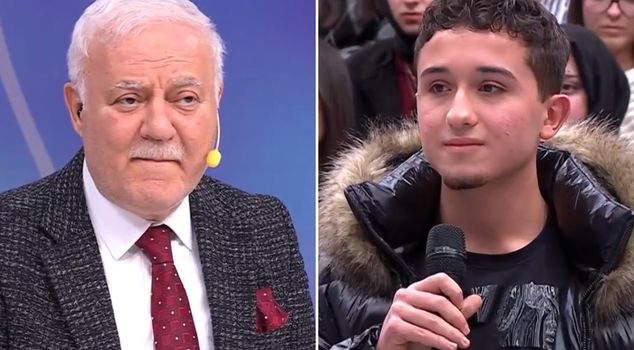
During Prof. Dr. Nihat Hatipoğlu's Ramadan program, a viewer asked, "Does filtering a photo of a deceased person to make it appealing to others bring sin to the deceased?" Hatipoğlu, taken aback by the question, stated that it is not the deceased who sins, but rather the one who exposes the deceased. Users couldn't help but say, "May Allah grant patience to Nihat Hoca" in response to the question.
With the arrival of the month of Ramadan, one of the indispensable names on television screens, Nihat Hatipoğlu, has once again met with the audience. In the iftar and sahur programs broadcasted on ATV, Hatipoğlu answers religious questions from viewers, some of which occasionally create surprise.
THE QUESTION CAUSED SURPRISE
A young man named Muhammed Gadab, who participated in the program, asked Nihat Hatipoğlu, "Does filtering the face of a deceased person and making it appealing to others on social media bring sin to the deceased?"
In response to the question, Hatipoğlu stated that the deceased person cannot be held responsible for this situation, but the person who exploits and uses the deceased's photo with bad intentions will enter into sin. Hatipoğlu emphasized that sharing images of deceased individuals is not religiously correct and used the following expressions:
“Exhibiting and publishing the deceased is one of the gravest sins. In fact, even the description of the deceased's image by the washer is considered haram in religion.”
"MAY ALLAH GRANT PATIENCE TO NİHAT HODJA"
The question posed in the program quickly became a topic on social media as well. Some users who were surprised by the question commented, “May Allah grant patience to Nihat Hodja.” Some viewers argued that such questions were asked specifically to attract attention.