22.02.2026 10:10
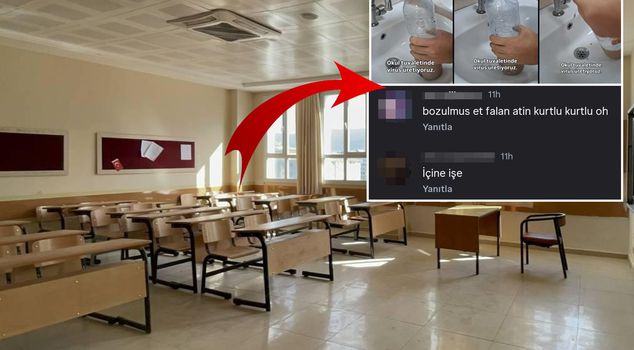
The "virus production" trend that started abroad has spread to schools in Turkey as well. Students are posting on social media with titles like "We are making Covid-20" and "We are producing viruses" by putting various waste materials such as trash, cigarette butts, animal feces, and urine into plastic bottles. While it is noteworthy that other students are making suggestions in the comments like "Add these too," experts are warning about serious health risks.
The "virus production" trend that started abroad has spread through accounts opened on platforms like TikTok and Instagram. In videos shared on pages with names like "We are making Covid-20," "We are producing viruses," and "We are making bacteria at school," students are seen adding different substances into bottles and publishing the contents in series. In images shared in series like "Day 1, Day 2," it is observed that the mixtures are deliberately made more unhygienic.
STUDENTS' HEALTH IS AT RISK
In the videos, it is noteworthy that substances such as milk, oil, and rotten food scraps, as well as paint, cigarette butts, phlegm, spider webs, animal feces, and urine are also added to the bottles. Students are seen laughing and preparing these contents with bare hands, capturing the moments on camera.
Experts state that such mixtures can pose serious health risks and that bacteria and harmful microorganisms can multiply rapidly, especially in closed environments.
ENCOURAGED BY COMMENTS
In shares that have been viewed millions of times, it is seen that followers are also involved in the process. It is noteworthy that users suggest new substances in the comments and that content creators "develop" the mixtures based on these suggestions. Some comments contain expressions that downplay the danger and refer to epidemic diseases.
Experts indicate that these types of substances can lead to serious infections. Educators and experts warn that such content spreading on social media can have an encouraging effect among young people, calling on families and school administrations to be more vigilant.