28.02.2026 17:11
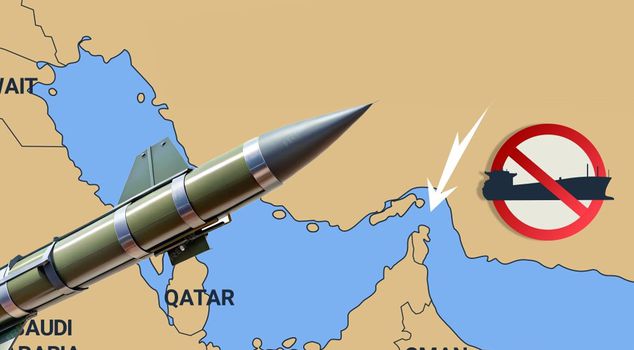
Following Israel's attack on Iran, oil shipments in the Strait of Hormuz have been suspended, and experts expect a short-term increase of 10% in oil prices. It is noted that if the strait is closed, the price of oil per barrel could rise to $150, leading to significant pressure on the global economy.
Israel announced that it has launched a "preventive strike" against Iran. While explosions were heard in Tehran, U.S. President Donald Trump also announced that they have initiated a large-scale operation against Iran. Following the attacks, fluctuations began in global energy markets, and shipments through the Strait of Hormuz were suspended.
EXPLOSIONS IN TEHRAN AND MANY CITIES
After the attack on Tehran, explosions also occurred in Tabriz, Isfahan, Qom, Karaj, and Kermanshah. It was reported that Iranian leader Ayatollah Ali Khamenei was not in Tehran and had moved to a secure location.
FUEL SHIPMENTS STOPPED
While military activity in the region continues, many major oil companies and trading organizations temporarily halted oil and fuel shipments through the Strait of Hormuz.
EXPECTATION OF A 10% INCREASE IN OIL PRICES
Osama Rizvi, Energy and Economics Analyst at the international data company Primary Vision Network, stated that geopolitical risks could upwardly affect oil prices, but this increase may not be permanent. Rizvi expressed that the U.S. administration would not tolerate long-term high oil prices due to pressure on employment and consumer spending. According to Rizvi, the magnitude of price movement will depend on the scope of the attack. He noted that even if energy infrastructure is not targeted, an increase of about 10% in oil prices could be observed, and if the attack remains limited, prices could drop again.
STRATEGY FOR THE STRAIT OF HORMUZ: 150 DOLLARS
Rizvi emphasized that a severe global shock could occur if the Strait of Hormuz is closed. In this scenario, the price of oil per barrel could rise to 150 dollars, global growth could be under pressure by about 1.5%, and U.S. inflation could approach 4.5% again. He also stated that gold prices could rise above 6,500 dollars.
DEVELOPING COUNTRIES AT RISK
Rizvi pointed out that a prolonged conflict would most affect developing countries, reminding that energy dependence in these countries has reached levels of 80-95%. He stated that if the conflict expands to include regional actors such as Saudi Arabia and Israel, markets may begin to price in the risk of regional war.