16.01.2026 09:54
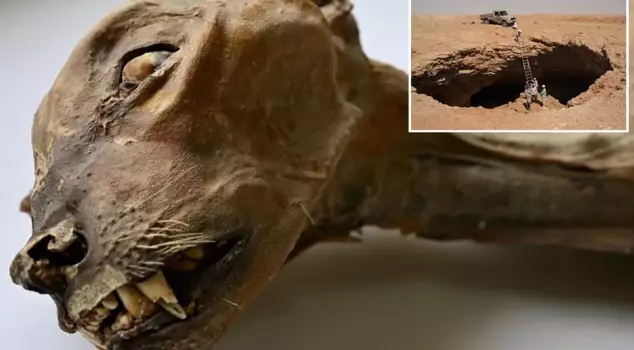
Excavations in the Lauga cave network located in northern Saudi Arabia have uncovered 7 naturally mummified cheetahs and 54 additional cheetah remains. Researchers emphasized that the remains are estimated to be between 130 and 1,800 years old, providing strong evidence that cheetahs lived in the Arabian Peninsula in the past.
Scientists have discovered seven naturally mummified cheetah skeletons and 54 other cheetah remains in the Lauga cave network near the city of Arar in Saudi Arabia. This finding is among the first concrete evidence that Asian cheetahs lived on the Arabian Peninsula centuries ago.
CREATED EXCITEMENT IN THE SCIENTIFIC COMMUNITY
The remains uncovered during excavations conducted by archaeologists and biologists between 2022 and 2023 were determined to be between 130 and 1,800 years old. Findings indicating that this species existed in the region for a long time show that cheetahs were an important part of the ecosystem here during prehistoric times.
SOFT TISSUES HAVE EVEN BEEN PRESERVED
The discovery was made under conditions where natural mummification occurs very rarely in large mammals; the dry and stable climate of the caves allowed even the soft tissues of the cheetahs to be preserved. This is of great importance to the scientific community because until now, such well-preserved examples of cheetahs outside Africa and Asia had not been seen.
WILL SHED LIGHT ON FUTURE PROJECTS
Experts say that these ancient remains will not only help map prehistoric cheetah populations but also aid in understanding the history of biodiversity in the region. Additionally, these findings may shed light on future projects aimed at reintroducing cheetahs to the area.
Cheetahs have not been seen in the wild on the Arabian Peninsula since the 1970s. The discovery of historical traces of these large cats, which have completely withdrawn from the region due to habitat loss, hunting, and prey decline, has created excitement in the scientific community.