23.03.2026 10:22
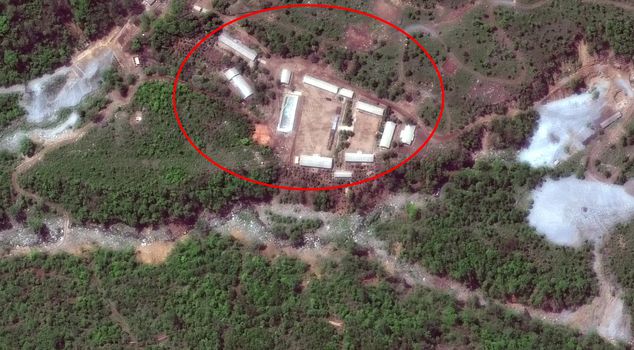
The South Korean Ministry of Unification announced that 25% of those returning from near North Korea's Punggye-ri nuclear test site were found to have chromosome mutations. These chromosome mutations are believed to be caused by exposure to radioactivity. North Korea has been conducting all of its nuclear tests at the Punggye-ri site for 20 years.
The South Korean Ministry of Unification reported that 25% of those coming from areas near the Punggye-ri nuclear test site in North Korea's Kilju region showed chromosomal mutations.
TEST RESULTS PUBLISHED
According to a report by the Yonhap agency, the South Korean Ministry of Unification shared the results of radiation tests conducted on individuals coming from areas near Punggye-ri during the 2023-2025 period.
CHROMOSOMAL MUTATION IDENTIFIED
Out of a total of 174 individuals tested, 44 were found to have developed chromosomal mutations, indicating that the occurrence rate of this finding among those coming from near Punggye-ri is 25%. These chromosomal mutations are believed to be caused by exposure to radioactivity.
CONTINUING FOR 20 YEARS
It is known that North Korea has conducted all of its nuclear tests at the Punggye-ri site since 2006.
WHAT IS A CHROMOSOMAL MUTATION?
A chromosomal mutation refers to changes in the structure or number of chromosomes that carry genetic information in cells. These changes can manifest as a piece of the chromosome breaking off, being added, being rearranged, or an increase or decrease in the number of chromosomes. Radiation, chemical substances, or errors occurring during cell division can lead to such mutations.
CAN DIRECTLY DAMAGE DNA
While chromosomal mutations may not show symptoms in some cases, they can lead to genetic diseases, an increased risk of cancer, and various health issues. Mutations related to radioactivity are considered particularly dangerous because they can directly damage DNA.