10.02.2026 10:01
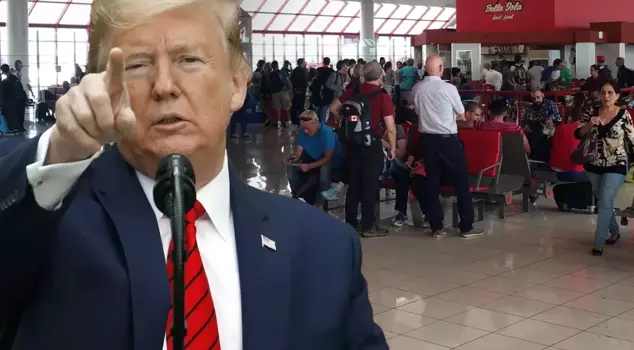
Due to a long-standing decrease in oil stocks in Cuba, the fuel supply provided to international airlines has been suspended for a period of one month. It has been learned that some aircraft belonging to international airlines have halted their flights to Cuba. On January 30, President Trump signed an executive order imposing customs duties on all goods coming from countries that sell or supply oil to Cuba.
According to a news report in the national press, the Cuban government has been forced to suspend fuel supply to international airlines for a period of one month due to the U.S. embargo and a decrease in oil stocks. It was stated that this situation would compel aircraft performing long-haul flights to make technical stops in other countries for refueling.
FLIGHTS SUSPENDED
It was reported that some aircraft belonging to international airlines have suspended their flights to Cuba, and they will organize empty flights to bring back approximately 3,000 passengers remaining in the island country.
FUEL CONSERVATION WILL BE PRIORITIZED
Deputy Prime Minister Oscar Perez-Oliva stated in an interview with state television that the measures taken aim to prioritize fuel conservation to sustain food and electricity production and to protect foreign currency-generating economic activities.
INCREASE IN FOOD PRICES
The fuel issue has also led to an increase in the prices of some goods and services in the country. It was reported in the press that there have been significant increases in taxi fares, especially food prices.
"WHAT WILL WE DO IF WE DON'T RESIST, WILL WE SURRENDER?"
Cuban President Miguel Diaz-Canel, in a statement made on February 6, pointed to the oil blockade imposed by the U.S. on his country, saying, "We have not received any fuel from outside since last December. The adoption of such an aggressive and criminal policy by a major power against a small country should be condemned. This means completely suffocating us. What will we do if we don't resist, will we surrender?" It is noted that the country needs approximately 110,000 barrels of oil daily to meet its energy needs, and Venezuela is expected to provide about 30,000 barrels of this by 2025.
U.S. OIL BLOCKADE ON CUBA
On January 30, U.S. President Donald Trump signed a presidential decree that foresees the imposition of customs duties on all goods coming from countries that sell or supply oil to Cuba.
The White House argued that this decision aims to protect U.S. national security and foreign policy interests against Cuba's "harmful actions and policies." Trump announced on February 1 that talks had begun with the Cuban government regarding the regulation of oil supply, while Cuba denied this.