21.03.2026 13:50
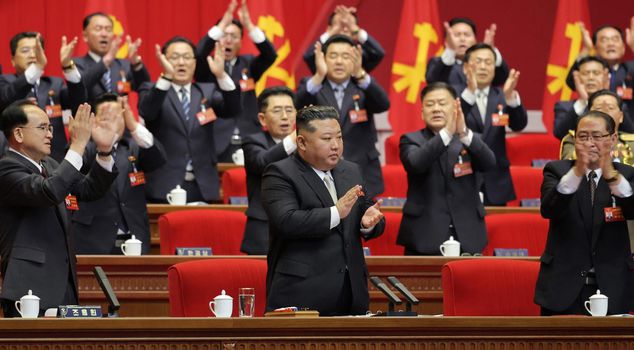
In the parliamentary elections held in North Korea, Kim Jong-Un was re-elected as president with a record vote rate of 99.93%, while the identity of those who cast the 0.07% opposing votes has become a subject of curiosity. It is believed that the aim was to create an image of 'limited opposition' with the 0.07% opposing votes in a country where voting is conducted openly.
The 2026 parliamentary elections held in North Korea once again highlighted the absolute control within the country's political structure. According to official results, the ruling Workers' Party of Korea and its allies received 99.93% of the votes, winning all 687 seats in the Supreme People's Assembly. The turnout rate was reported to be 99.99%.
One of the most striking aspects of the election results was the extensive personnel change in the assembly. The fact that more than 70% of the members of parliament are new names indicates a significant restructuring process within the administration.
ELECTION OR APPROVAL MECHANISM?
The political system in North Korea is effectively based on single-party dominance. Although there are different parties in the country, these structures operate under the control of the ruling coalition, and there is no real competitive environment.
While candidates are determined by the state, voters are presented with only a single candidate in each electoral district. This situation reveals that the elections function more as a mechanism for approving the decisions of the current administration rather than a traditional preference process.
THE 0.07% OPPOSITION VOTE CAUGHT ATTENTION
According to official data, 0.07% of voters cast their votes against the candidates. However, due to the lack of alternative candidates in the elections, this rate does not reflect a genuine opposition.
Experts indicate that the lack of secrecy in the voting process in North Korea forces voters to openly express their preferences. Therefore, it is assessed that these low-rate opposition votes are included to create a controlled image of "limited opposition" within the system.