05.02.2026 11:24
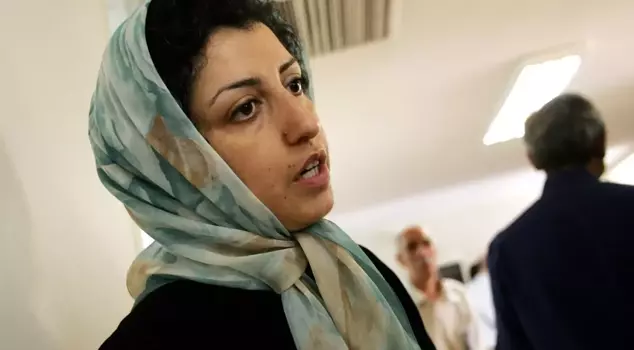
Iranian activist Narges Mohammadi, a Nobel Peace Prize laureate who has been detained for 55 days due to protests that began because of economic conditions in Iran, has started a hunger strike. It was noted that Mohammadi had previously suffered a heart attack and has high blood pressure, chest pains, spinal disc problems, and various chronic illnesses, raising alarms about her health condition. Meanwhile, Mohammadi's decision to go on a hunger strike has resonated globally.
Nobel Peace Prize laureate Iranian activist Narges Mohammadi has started a hunger strike to protest prison conditions and her "unlawful detention." The information that Mohammadi has been on hunger strike for three days was shared with the public by the Narges Foundation, which operates on behalf of her family.
In a statement made by the foundation, it was noted that Mohammadi was violently detained by security forces in the city of Mashhad in northeastern Iran on December 12, and that she has been in custody for 55 days since that date. The statement emphasized that her detention is unlawful.
HEALTH CONDITION ALARMING
Reports and comments in the foreign press particularly emphasize that Mohammadi's health condition poses a vital risk due to the hunger strike. The foundation's statement reminded that Mohammadi had previously suffered a heart attack and has high blood pressure, chest pains, spinal disc problems, and various chronic illnesses. It was expressed that keeping her in prison under these conditions constitutes a clear violation of human rights law.
International human rights organizations and foreign media outlets are calling on the Iranian government to immediately release Mohammadi, while pointing out that the hunger strike could lead to irreversible health issues.
INTERNATIONAL REACTION GROWS
Mohammadi's decision to go on a hunger strike has resonated globally due to a Nobel Peace Prize winner resorting to protest in prison. In the foreign press, the situation of political prisoners in Iran and prison conditions have been brought back to the agenda, with Mohammadi's situation being interpreted as a "symbol of the human rights crisis in Iran."