25.12.2025 13:45
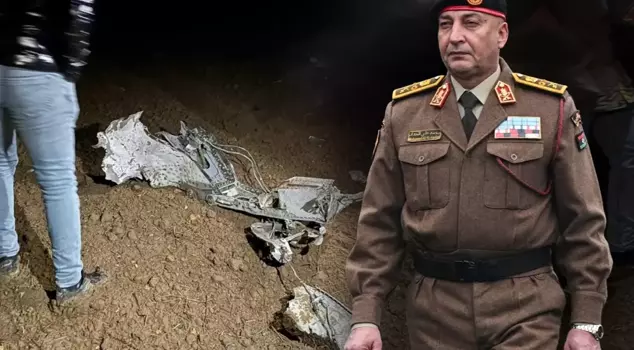
Shortly after leaving Turkey, contact was lost with the plane that was later reported to have crashed, which was said to be carrying a high-level delegation involved in Libya's military and security structure. While the Turkish press highlighted the possibility of a technical malfunction regarding the accident, Libyan media described the incident as an "untimely loss"; American and Israeli media focused on its regional and strategic implications.
At 20:31 in the evening, shortly after departing from Turkey, the aircraft, which lost contact and was later reported to have crashed, drew attention not only as an aviation accident but also due to the passengers it carried and the mission being conducted.
It was reported that those on board were a high-level delegation involved in the military and security restructuring process in Libya in recent years. The names on the plane, along with the crew, were noted to be individuals who had actively served in the field, played a role in inter-agency coordination, and were authorized for international contacts.
WHO WAS THE DELEGATION, HOW DID THEY COME TO THIS MISSION?
According to information reflected in the Libyan press, the delegation on the plane consisted of prominent figures in the process of consolidating the fragmented security structure that the country has experienced since 2011. Such missions are determined by long-term record reviews, security assessments, and balancing among different groups in Libya. It was stated that the delegation was in Turkey to engage in discussions on military training, security cooperation, and the reorganization of institutional structures; the visit was planned within the framework of technical and military cooperation between the two countries.
TURKISH PRESS: POSSIBILITY OF TECHNICAL MALFUNCTION
In the initial reports regarding the accident in the Turkish press, the possibility that the aircraft may have reported a technical issue after takeoff was highlighted. Evaluations based on aviation sources focused on the likelihood of a malfunction related to the engine or electronic systems. Authorities emphasized that the exact cause could not be disclosed until the black box examination and technical reports were completed.
LIBYAN PRESS: UNTIMELY LOSS
Newspapers and news sites in Libya described the incident as "an untimely and heavy loss." Reports pointed out that the individuals on board played a significant role in the country's security architecture. Many publications included comments that the accident could disrupt the military restructuring process in Libya. The Libyan press emphasized that the investigation results should be awaited without jumping to conclusions about sabotage claims.
AMERICAN PRESS: REGIONAL IMPACTS
The American press approached the accident more through the lens of regional balances. In news and analyses, discussions revolved around how the ongoing security reforms in Libya would be affected by this loss, the potential implications of a leadership vacuum on the ground, and the attitudes of international actors. The American media exhibited a more distant and analytical tone.
ISRAELI PRESS: STRATEGIC CONSEQUENCES
The Israeli press addressed the incident in the context of military cooperation between Turkey and Libya and the security balances in the Eastern Mediterranean and North Africa. Commentaries focused more on the potential strategic outcomes rather than the technical aspects of the accident.
WHY DID THE AIRCRAFT CRASH?
The prominent possibilities so far are as follows:
- Technical malfunction
- Human factor
- Possible deficiencies in maintenance and inspection processes
- Environmental and operational conditions
Authorities state that the definitive result will become clear after the technical examinations are conducted.
WHAT IS THOUGHT-PROVOKING
The press from different countries viewed the incident from various perspectives. Some focused on the technical aspect, while others concentrated on the political and strategic consequences. However, the common point was this: This aircraft carried not only passengers but also the responsibility of an ongoing process. When the true cause of the accident is revealed, it is expressed that it will be understood more clearly that it is not just an aviation accident, but also a turning point in a regional process.
Okan Çetindağ